
Social media success in 2026 hinges on understanding how engagement metrics interact. Likes and views represent two distinct but complementary forms of validation that platforms use to evaluate content quality and distribute it to wider audiences. While views demonstrate reach and initial interest, likes signal active approval and stronger engagement. Together, these metrics form the foundation of social proof that influences both algorithmic promotion and human decision-making. Whether you're building a brand, launching a product, or establishing thought leadership, knowing how likes views function as a system rather than isolated numbers can transform your social media strategy.
Understanding the Fundamental Difference Between Likes and Views
Views measure passive consumption while likes indicate active endorsement. This distinction matters because platforms weight these signals differently when determining content quality and distribution priority.
A view typically registers when someone scrolls past your content and it appears on their screen for a minimum threshold period. According to the Media Rating Council’s cross-media audience measurement standards, video content generally requires at least 50% of pixels in view for two continuous seconds to count as a valid impression. Different platforms apply variations of this standard, but the core principle remains consistent.
Platform-Specific View Counting Rules
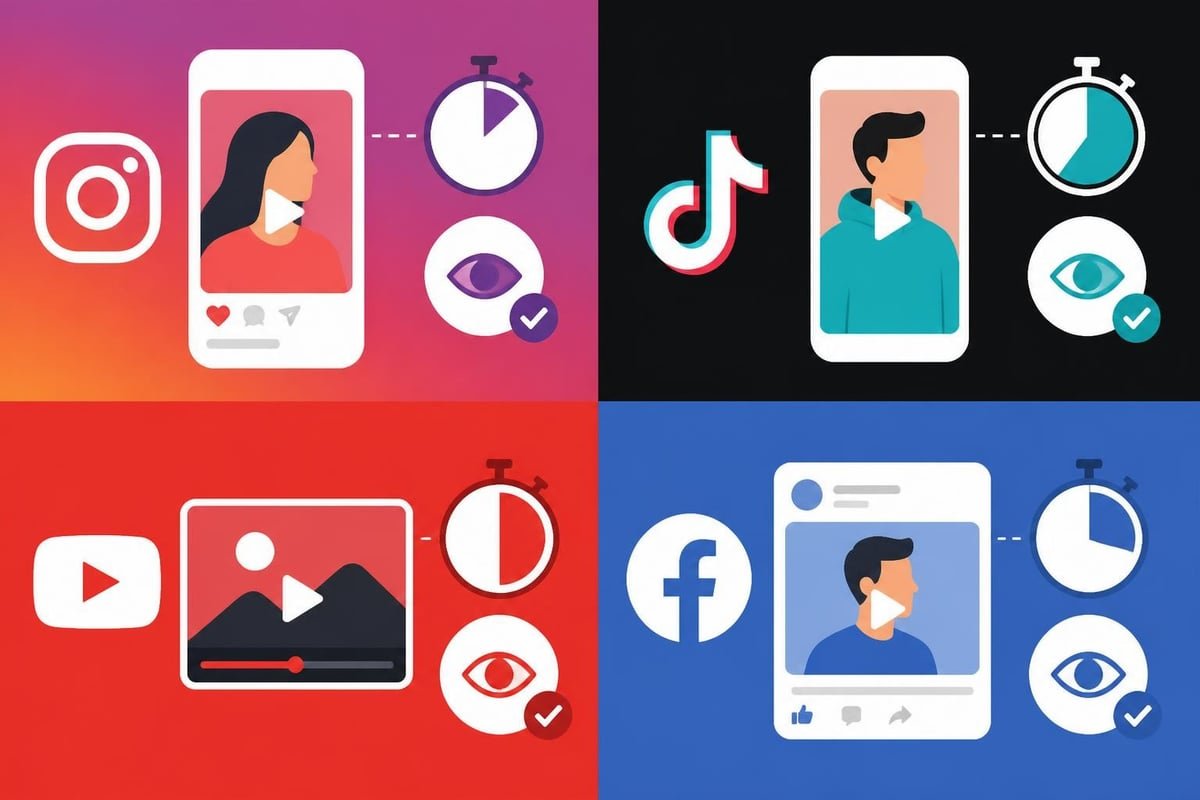
Each social network implements its own technical thresholds for registering views:
- Instagram: Reels and videos count a view after 3 seconds of watch time
- TikTok: Views register almost instantly when content appears on screen
- YouTube: A view requires approximately 30 seconds of watch time
- Facebook: Video views count after 3 seconds with at least 50% visibility
These variations mean that view counts aren't directly comparable across platforms. A thousand TikTok views represents significantly less engagement time than a thousand YouTube views, making context essential when evaluating performance.
Likes, conversely, require deliberate action. Someone must pause, process your content, and choose to tap or click an approval button. This makes likes a stronger quality signal in most algorithmic systems, even though views typically outnumber likes by substantial margins.
How Algorithms Weight Likes Views in Content Distribution
Modern recommendation algorithms use engagement metrics as proxy measures for content quality and relevance. The relationship between likes views serves as one input among dozens that determine whether your content reaches explore pages, for you feeds, or suggested video sections.
The Engagement Rate Formula
Platforms calculate engagement rate by comparing active interactions to total reach:
Engagement Rate = (Likes + Comments + Shares) ÷ Views × 100
Industry benchmarks for 2026 vary by platform and niche:
| Platform | Average Engagement Rate | Strong Performance |
|---|---|---|
| TikTok | 4.5% – 6.0% | 8.0%+ |
| Instagram Reels | 2.0% – 3.5% | 5.0%+ |
| YouTube Shorts | 1.5% – 2.5% | 4.0%+ |
| Facebook Video | 0.8% – 1.5% | 2.5%+ |
Content that maintains engagement rates above these thresholds signals to algorithms that audiences find it valuable, triggering expanded distribution. The arXiv analysis of video popularity drivers demonstrates how engagement velocity (how quickly likes accumulate relative to views) correlates even more strongly with viral success than absolute numbers.
Velocity Versus Volume
A video earning 1,000 likes on 10,000 views within the first hour performs better algorithmically than content reaching 5,000 likes on 50,000 views over three days. The algorithm interprets rapid engagement as strong relevance to current interests, rewarding it with immediate distribution boosts.
This creates a critical window in the first 60-90 minutes after posting when the ratio of likes views determines whether content gains momentum or stalls. Many creators strategically time posts when their core audience is most active to maximize this early engagement velocity.
The Psychology of Social Proof and Decision-Making
Human psychology treats likes views as credibility markers that influence whether newcomers engage with content. Research on social validation shows that people use engagement metrics as mental shortcuts when deciding what deserves their attention.
The PLOS ONE study on social media feedback and opinion expression found that visible engagement metrics significantly affect how people interpret content quality and whether they choose to interact. Content with higher visible engagement receives more subsequent engagement, creating a reinforcing cycle.
The Credibility Threshold Effect
Most users scroll past content below certain engagement thresholds without conscious consideration:
- Videos under 1,000 views often get dismissed as unproven
- Posts with fewer than 50 likes appear less authoritative
- Content showing zero engagement triggers skepticism about quality
These aren't rational calculations but instinctive filters people apply when processing hundreds of pieces of content daily. Building past these psychological thresholds requires either patience while organic growth accumulates or strategic investment to accelerate past credibility barriers.
When evaluating options to boost initial momentum, comparing providers on delivery quality and platform-specific expertise helps ensure services deliver engagement that appears natural. You can compare social growth providers using live price calculators that show real costs across different platforms and package sizes.
What Different Like-to-View Ratios Reveal About Content Performance
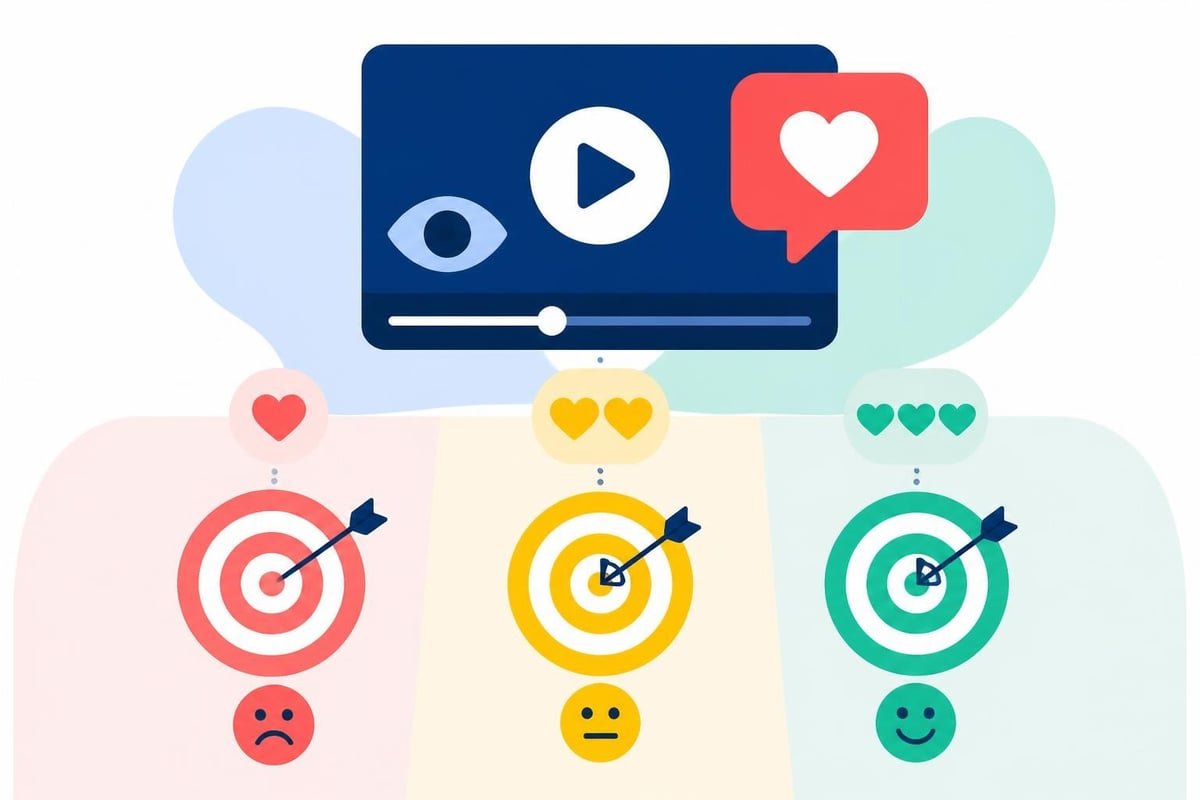
The relationship between likes views acts as a diagnostic tool showing how well content resonates with its actual audience versus attracting casual scrollers.
Analyzing Ratio Patterns
| Ratio | Interpretation | Typical Causes |
|---|---|---|
| 10%+ likes per view | Exceptional resonance | Highly targeted audience, premium content quality |
| 5-10% | Strong performance | Good audience-content fit, compelling hooks |
| 2-5% | Average/acceptable | Broad appeal, casual viewing |
| Under 2% | Weak engagement | Mismatched audience, weak call-to-action, poor quality |
Content consistently hitting low ratios despite decent view counts signals audience mismatch. The algorithm may be distributing your content to people outside your target demographic, or your hooks attract clicks but content doesn't deliver on expectations.
Platform-Specific Ratio Expectations
Different platforms establish different behavioral norms that affect expected ratios. According to Pew Research’s analysis of TikTok usage patterns, younger audiences engage more actively with content, leading to higher like rates on platforms where they concentrate.
TikTok users exhibit higher engagement rates than Facebook users partly due to demographic differences and platform design encouraging quick interactions. Understanding these baseline differences prevents misinterpreting performance when comparing cross-platform campaigns.
Strategic Approaches to Balancing Likes Views for Growth
Building sustainable social media presence requires coordinating likes views growth rather than pursuing either metric in isolation. Different growth stages call for different priorities.
Early-Stage Strategy: Views Before Likes
New accounts benefit from prioritizing view growth initially to:
- Train the algorithm on which audiences engage with your content
- Test content formats to identify what resonates before scaling
- Build baseline reach that makes subsequent engagement more achievable
- Establish proof of concept showing content attracts attention
During this phase, expect lower like-to-view ratios as the algorithm experiments with distributing your content to various audience segments. Focus on creating enough content volume that the platform gathers sufficient data to optimize distribution.
Growth-Stage Strategy: Optimizing Engagement Rate
Once you've established consistent view counts, shift focus toward improving engagement rate:
- Strengthen calls-to-action prompting viewers to like if they found value
- Increase content quality to convert more viewers into active engagers
- Refine targeting to reach audiences more likely to engage deeply
- Experiment with formats that naturally encourage interaction
The JMIR systematic review of engagement drivers identifies specific content elements that consistently improve engagement across health and lifestyle categories, including personal storytelling, practical utility, and emotional resonance.
Maturity-Stage Strategy: Leveraging Social Proof
Established accounts can use existing engagement as a growth accelerator:
- Highlight popular content in profiles and featured sections
- Reference engagement milestones in content itself
- Cross-promote high-engagement posts to new audience segments
- Repurpose proven content into different formats
At this stage, likes views function as marketing assets demonstrating authority and attracting partnership opportunities, media coverage, and audience growth through credibility signaling.
When Investing in Likes Views Makes Strategic Sense
Organic growth builds authentically but slowly. Strategic investment in engagement acceleration serves specific business objectives when applied correctly.
Valid Business Cases for Purchasing Engagement
Launching new accounts face algorithmic disadvantages since platforms lack data to optimize distribution. Initial engagement investment helps algorithms categorize your content and identify target audiences faster than organic methods alone.
Overcoming credibility thresholds matters when entering competitive niches where audiences expect certain engagement levels before taking content seriously. Professional services, B2B brands, and premium products particularly benefit from appearing established.
Seasonal opportunities create time-limited windows where slow organic growth means missing market opportunities. Product launches, event promotion, and trend participation often justify acceleration to capitalize on timing.
Testing market demand becomes more cost-effective when you can quickly push test content to meaningful audience sizes rather than waiting weeks for organic distribution to build sample sizes large enough for valid conclusions.
Quality Considerations When Purchasing Engagement
Not all engagement services deliver equal value. The IAB guide to digital video advertising and measurement outlines fraud considerations and quality markers that apply equally to organic and purchased engagement.
Key quality indicators include:
- Gradual delivery that mimics organic growth patterns
- Geographic targeting matching your actual audience location
- Account diversity ensuring engagement comes from varied profiles
- Retention rates where purchased engagement doesn't immediately disappear
Services delivering instant spikes of engagement from obviously fake accounts often trigger platform audits and can result in content penalties or account restrictions.
Platform-Specific Considerations for Likes Views Strategy
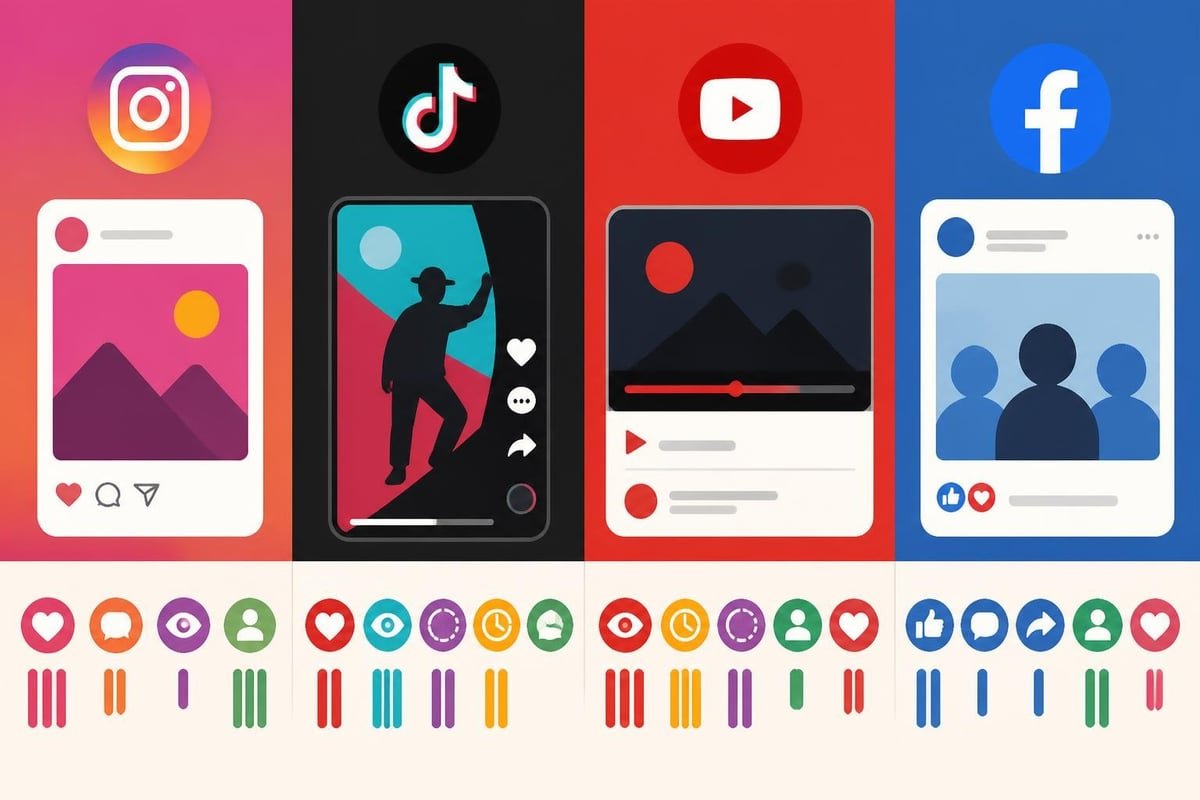
Each major platform treats engagement metrics differently, requiring adapted approaches for optimal results.
Instagram: Visual Impact and Timing
Instagram's algorithm heavily weights early engagement velocity during the first 30-90 minutes after posting. Content that quickly accumulates likes relative to reach receives expanded distribution through explore pages and hashtag rankings.
Stories and Reels follow separate algorithmic logic from feed posts, with Reels prioritizing watch time and completion rate alongside likes. A Reel with 10,000 views and 500 likes but low completion rates underperforms one with 5,000 views, 400 likes, and high retention.
TikTok: Completion Rate Supremacy
TikTok's recommendation system weighs completion rate (percentage of viewers watching to the end) more heavily than likes when evaluating content quality. The platform treats likes primarily as a secondary signal confirming content that already demonstrated strong retention deserves wider distribution.
This creates unique dynamics where likes views ratios matter less than completion rates and rewatch behavior. Content can succeed with relatively low like rates if it retains viewers effectively.
YouTube: Long-Term Value and Watch Time
YouTube algorithms optimize for total watch time rather than individual view counts. A video with 1,000 views averaging 8 minutes watched contributes more platform value than one with 10,000 views averaging 30 seconds.
Likes influence click-through rates for suggested videos and search rankings but carry less algorithmic weight than watch time, retention graphs, and returning viewer behavior. Focus your YouTube strategy on creating content that keeps people watching rather than maximizing vanity metrics.
Facebook: Engagement Depth Over Breadth
Facebook de-emphasizes passive metrics like views in favor of meaningful interactions including comments, shares, and reactions. A post with 500 views and 50 comments typically outperforms one with 5,000 views and 50 likes.
The platform explicitly downranks engagement-bait content attempting to game the system through artificial interaction requests. Focus on generating genuine conversation and value-sharing behaviors rather than optimizing purely for likes views counts.
Measuring ROI on Engagement Metrics
Understanding which engagement metrics actually drive business outcomes prevents wasting resources optimizing vanity metrics that don't contribute to revenue or strategic goals.
Connecting Engagement to Business Outcomes
Track how changes in likes views correlate with meaningful business metrics:
- Website traffic from social profiles
- Lead generation through contact forms or email signups
- Sales conversions attributed to social referrals
- Brand search volume indicating awareness growth
- Partnership inquiries from brands and collaborators
Content generating 50,000 views but zero website clicks delivers less business value than posts earning 5,000 views and 100 site visits. Optimize for downstream outcomes rather than upstream metrics.
Building Attribution Models
Most social platforms don't generate direct sales but instead serve as awareness and consideration channels within longer customer journeys. Multi-touch attribution helps quantify social media's true contribution:
| Customer Journey Stage | Primary Metric | Business Impact |
|---|---|---|
| Awareness | Views, Reach | Brand discovery |
| Interest | Likes, Saves | Content resonance |
| Consideration | Profile visits, Link clicks | Active research |
| Conversion | Website traffic, Signups | Revenue potential |
| Loyalty | Comments, Shares | Community building |
Sophisticated marketers track how users progress through these stages rather than treating each engagement type as equally valuable.
Common Mistakes That Sabotage Likes Views Performance
Even experienced creators make tactical errors that suppress engagement and limit growth potential.
Mistake One: Inconsistent Posting Schedules
Algorithms favor accounts demonstrating reliable content production. Sporadic posting confuses the distribution system, which can't predict when to prepare audiences for your content or build anticipation through notifications.
Establish sustainable posting frequency you can maintain long-term:
- Daily posting: Ideal for TikTok, Instagram Stories
- 3-5 times weekly: Effective for Instagram feed, YouTube Shorts
- Weekly: Minimum for YouTube long-form, LinkedIn
Mistake Two: Ignoring Platform-Specific Formats
Cross-posting identical content across platforms wastes each network's unique strengths. TikTok vertical videos exported to YouTube as Shorts perform adequately, but content optimized specifically for each platform's culture, editing style, and pacing patterns significantly outperforms generic material.
Mistake Three: Buying Low-Quality Engagement
Purchasing engagement from providers delivering obvious bot accounts or instant delivery spikes creates more problems than benefits. Platforms increasingly detect and penalize artificial engagement, potentially suppressing all your content's organic reach when caught.
Quality services deliver gradual, natural-looking growth from accounts exhibiting realistic activity patterns. When comparing options for social media marketing services, prioritize providers transparent about delivery methods and offering retention guarantees.
Mistake Four: Optimizing for Algorithms Over Audiences
Algorithms exist to serve user interests, not creator ambitions. Content designed purely to game algorithmic preferences without delivering genuine value eventually gets penalized as platforms refine detection systems.
The most sustainable approach balances algorithmic best practices with authentic value creation that would resonate even without platform promotion.
Advanced Tactics for Maximizing Likes Views Synergy
Once you've mastered fundamentals, sophisticated techniques can extract additional performance from existing content and audiences.
Recycling High-Performing Content
Content that previously achieved strong likes views ratios likely still resonates with your audience. Strategically re-share or repurpose this material:
- Update and repost evergreen content quarterly
- Repurpose across formats (turn popular post into video, infographic into carousel)
- Create sequels building on concepts that proved successful
- Compile "best of" collections featuring top-performing content
Collaborative Engagement Boosting
Partner with accounts in complementary niches for mutual benefit:
- Engagement pods where groups agree to interact with each member's content
- Shoutout exchanges introducing your audience to partners and vice versa
- Collaborative content appearing on both accounts simultaneously
- Feature swaps where you highlight partners in your content and receive reciprocal promotion
These strategies work best when partners target similar demographics but offer non-competing products or services, allowing genuine cross-promotion rather than competitive cannibalization.
Audience Participation Mechanics
Content that transforms passive viewers into active participants naturally generates stronger engagement:
- Polls and questions that require viewer input
- Challenges and tags encouraging content creation and sharing
- Contests and giveaways incentivizing engagement actions
- Choose-your-own-adventure formats where audience votes determine next steps
These mechanisms increase both likes views simultaneously by giving people reasons to return, share with friends, and engage repeatedly with single pieces of content.
Understanding how likes views work together as complementary social proof signals helps you build sustainable audience growth across any platform. The metrics matter not as vanity numbers but as algorithmic inputs determining content distribution and psychological triggers influencing whether people engage with your brand. When organic growth needs acceleration to meet business timelines or overcome credibility thresholds, Best Social Media Growth Services 2026 provides independent comparisons of providers on price, delivery speed, platform coverage and refund terms, helping you choose services that deliver quality engagement matching your specific goals.