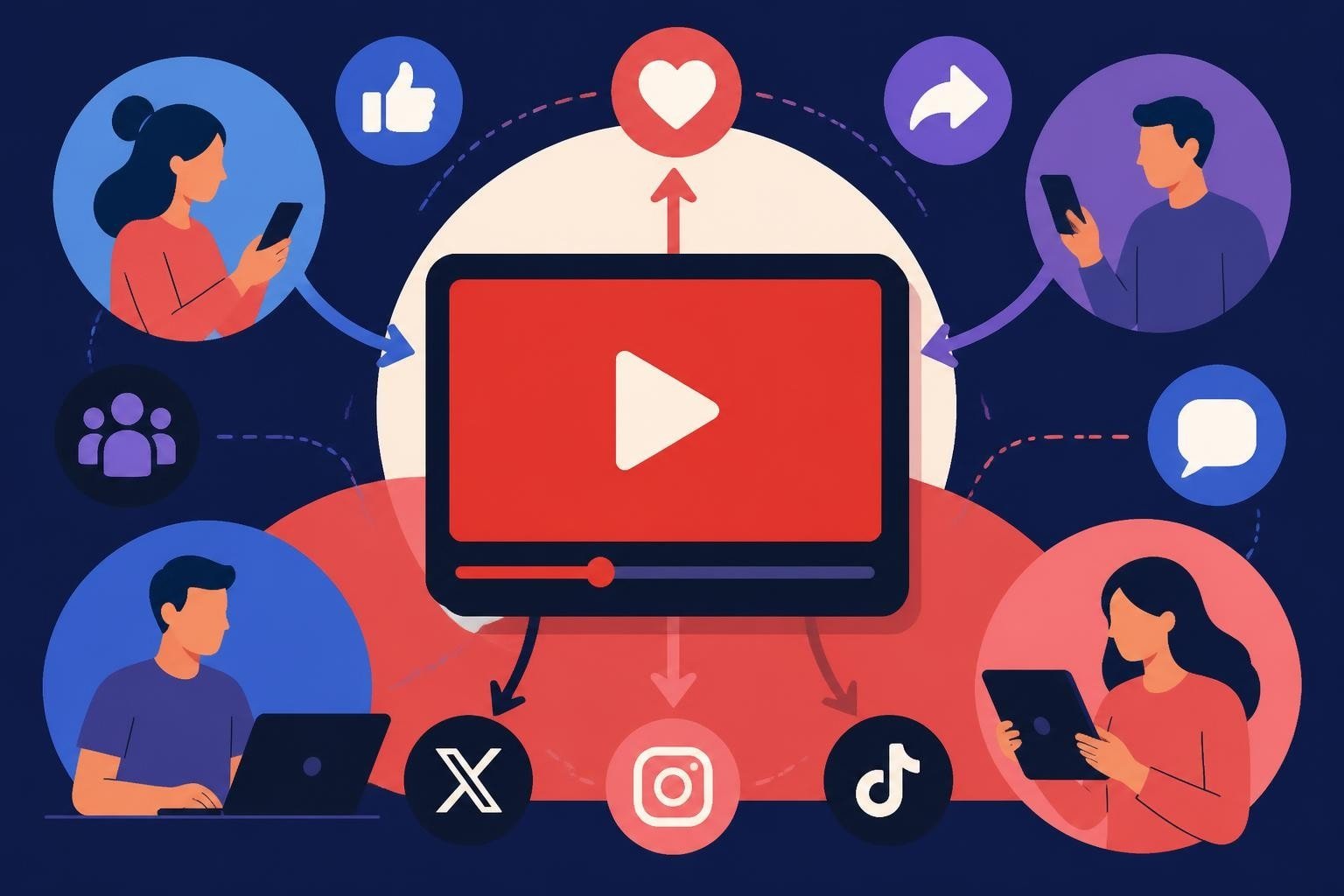
The relationship between social media and YouTube has evolved dramatically over the past decade, transforming how creators, businesses, and audiences connect in 2026. While YouTube functions as a video-sharing platform with social features, traditional social networks like Instagram, TikTok, and Facebook emphasize real-time interaction and diverse content formats. Understanding how these platforms complement each other is essential for anyone building an online presence, whether you're launching a personal brand, growing a business, or simply trying to reach the right audience. If you're looking to accelerate your growth across these channels, you can compare social growth providers to find services that match your budget and platform needs.
Platform Architecture and Audience Behavior
YouTube operates fundamentally differently from other social platforms. Its recommendation algorithm prioritizes watch time, session duration, and viewer satisfaction signals rather than simple engagement metrics like likes or shares. YouTube’s recommendation system uses hundreds of ranking signals to surface content, making it more akin to a search engine than a traditional social feed.
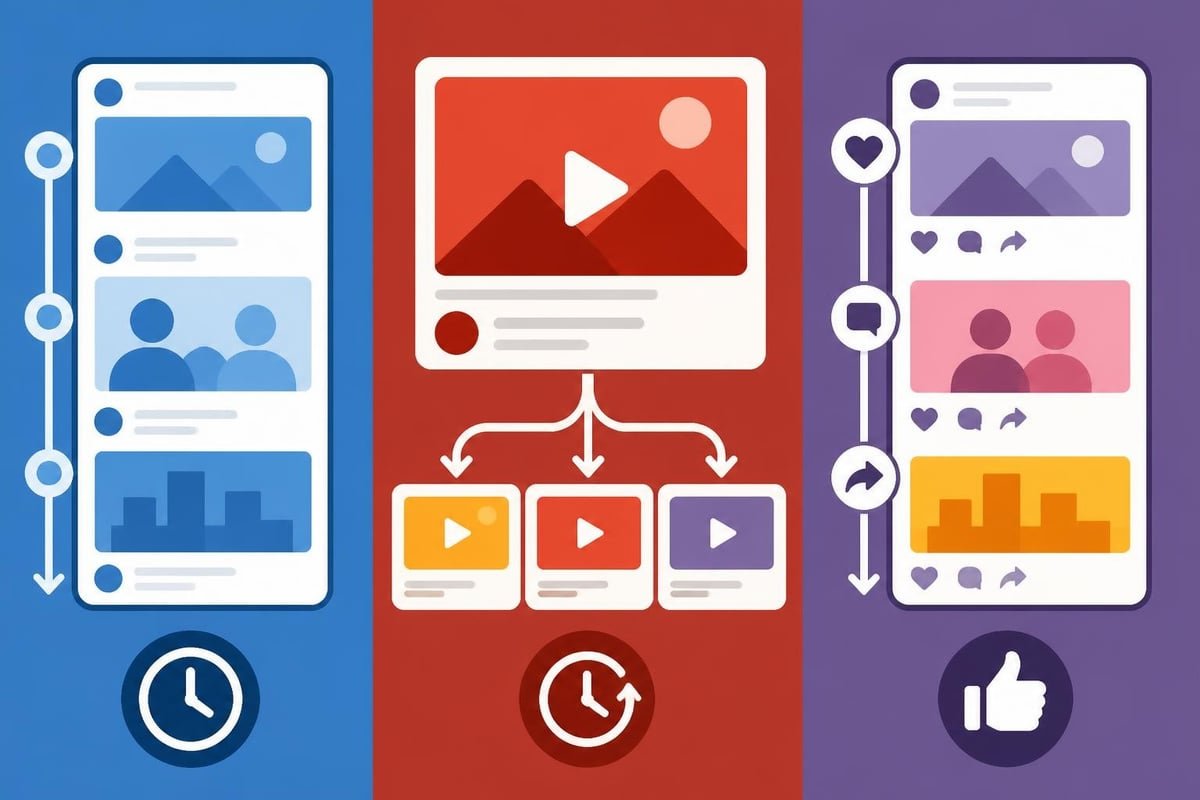
Traditional social media platforms function on different principles. Instagram, TikTok, and Facebook use recency, engagement velocity, and relationship signals to determine what appears in user feeds. This creates distinct opportunities and challenges for content creators.
Demographic Distribution Across Platforms
Recent research on Americans’ social media use reveals fascinating patterns about where different audiences spend their time. YouTube reaches approximately 83% of U.S. adults, making it the second-most-used platform after Facebook. However, the quality of engagement differs significantly.
| Platform | Adult Reach | Daily Usage Rate | Primary Age Group |
|---|---|---|---|
| YouTube | 83% | 54% daily | 18-49 (broad) |
| 68% | 48% daily | 30-64 | |
| 47% | 38% daily | 18-34 | |
| TikTok | 33% | 24% daily | 18-29 |
The data shows that while social media and YouTube both command significant attention, YouTube users often engage with longer-form content during dedicated viewing sessions, whereas social platforms capture micro-moments throughout the day.
Content Strategy for Cross-Platform Success
Creating content that works across social media and YouTube requires understanding each platform's strengths. YouTube excels at educational content, tutorials, deep dives, and entertainment that benefits from longer runtime. Social platforms favor quick wins, visual impact, and immediate emotional response.
Adapting Content Formats
Smart creators develop a content core on one platform and adapt it for others. A 15-minute YouTube tutorial becomes six Instagram Reels highlighting key tips, three TikTok videos demonstrating specific techniques, and a Twitter thread summarizing takeaways.
Content repurposing strategies that work in 2026:
- Extract short-form clips from YouTube videos for social media teasers
- Compile social media content into longer YouTube compilations or behind-the-scenes videos
- Use social platforms to test concepts before investing in full YouTube production
- Create platform-specific calls-to-action that guide audiences between channels
- Maintain consistent branding while adapting tone to platform culture
The key is understanding that each platform serves a different role in your audience journey. Social media and YouTube shouldn't compete for the same content but rather work together in a cohesive ecosystem.
Optimizing for Discovery
YouTube SEO requires keyword research, strategic titles, detailed descriptions, and proper tagging. Your video competes in search results alongside content published years ago. Social media, conversely, emphasizes recency and social proof, with most content having a 24-72 hour visibility window.
Platform-specific discovery factors:
- YouTube: Search keywords, suggested videos, browse features, subscription feed
- Instagram: Hashtags, Reels algorithm, Explore page, location tags
- TikTok: For You Page algorithm, trending sounds, hashtag challenges
- Facebook: Group sharing, page follows, friend recommendations, Watch tab
Monetization Models and Revenue Streams
The financial opportunities on social media and YouTube follow different paths. YouTube's Partner Program offers direct ad revenue sharing, with creators earning from pre-roll, mid-roll, and display ads based on watch time and viewer demographics. In 2026, YouTube Shorts monetization has matured, though per-view rates remain lower than long-form content.
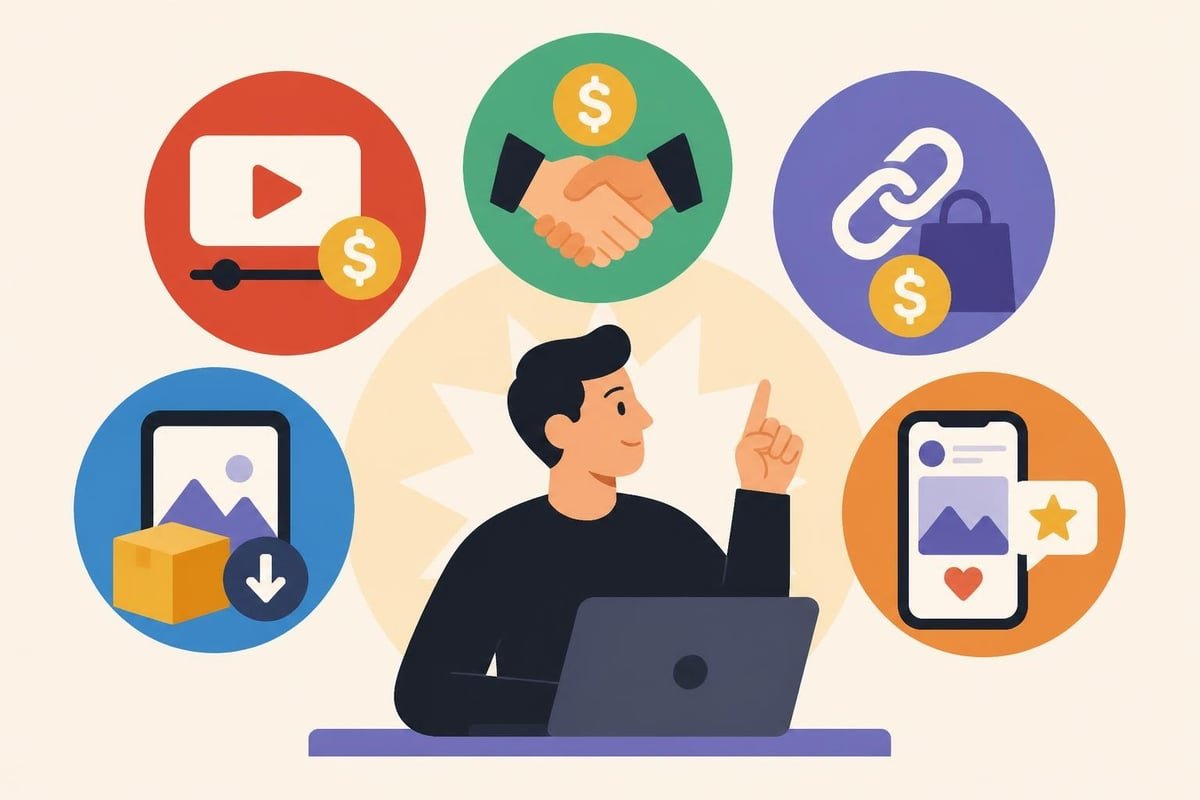
Social platforms offer different monetization structures. Instagram and Facebook provide in-stream ads, badges, and shopping features. TikTok has its Creator Fund, LIVE gifts, and rapidly growing shopping integrations. However, most social media creators rely heavily on brand partnerships and external revenue streams.
Brand Partnership Considerations
When working with brands across social media and YouTube, creators must navigate different disclosure requirements. The FTC’s guidance on endorsements and influencers applies to all platforms, but implementation varies. YouTube requires clear verbal and written disclosures for paid content, while Instagram relies on partnership tags and hashtags.
| Revenue Source | YouTube | TikTok | ||
|---|---|---|---|---|
| Platform Ad Revenue | High (long-form) | Low | Medium | Medium |
| Brand Deals | Very High | Very High | High | Medium |
| Affiliate Marketing | High | Medium | Medium | Low |
| Digital Products | High | Medium | Low | Low |
| Subscription/Memberships | High | Medium | Low | Medium |
Strategic creators maximize revenue by understanding where their audience is most valuable. A Harvard Business Review analysis suggests businesses should evaluate creator partnerships based on audience quality and engagement depth rather than follower counts alone.
Audience Growth Strategies
Building an audience across social media and YouTube requires different tactical approaches. YouTube growth traditionally follows a slower, more sustainable curve. A channel might post weekly for months before gaining traction, but once the algorithm recognizes quality and audience retention, growth can accelerate rapidly.
Social media growth follows more volatile patterns. A single viral post can add thousands of followers overnight, but maintaining that audience requires consistent posting and engagement. The platforms reward daily activity, story updates, and real-time interaction.
Organic Growth Tactics
For YouTube:
- Publish consistently on a schedule your audience can rely on
- Optimize titles and thumbnails for click-through rate
- Create playlists to increase session duration
- Respond to comments within the first hour to boost engagement signals
- Collaborate with channels in adjacent niches
For Social Media:
- Post during peak activity hours for your specific audience
- Use platform-specific features (Reels, Stories, LIVE) to increase algorithmic favor
- Engage authentically with other accounts in your niche
- Participate in trending topics and challenges when relevant
- Create shareable content that encourages tags and reposts
Some creators and businesses explore growth services to supplement organic efforts. These services can provide initial momentum, though selecting reputable providers requires careful comparison of delivery methods, retention rates, and platform compliance.
Algorithm Changes and Platform Evolution
Both social media and YouTube constantly refine their algorithms, creating ongoing challenges for creators. YouTube has shifted toward surface-level personalization, using viewer history, search patterns, and session data to predict what individuals want to watch next. Academic research on auditing methodologies reveals how difficult it is to fully understand these recommendation systems from the outside.
Social platforms have moved similarly toward personalization, but with greater emphasis on engagement signals. Instagram's 2024-2025 algorithm updates prioritized Reels and original content over reposts. TikTok continues refining its For You Page to balance viral potential with sustained creator success.
Preparing for Platform Shifts
Smart creators build platform-resilient strategies:
- Diversify across multiple platforms to reduce dependence on any single algorithm
- Own your audience through email lists and community platforms
- Focus on evergreen content that maintains value beyond trending cycles
- Build genuine audience relationships that transcend algorithmic distribution
- Monitor platform announcements and adapt quickly to feature changes
The relationship between social media and YouTube becomes particularly important during algorithm shifts. When YouTube changed its Shorts algorithm in late 2025, many creators maintained overall reach by driving their YouTube audience to Instagram and TikTok during the transition period.
Teen and Youth Engagement Patterns
Understanding how younger audiences use social media and YouTube is crucial for long-term strategy. Research on teens’ social media and technology use shows that YouTube remains the most widely used platform among U.S. teens, with 90% reporting usage.
However, usage patterns differ significantly from adults. Teens tend to use YouTube for entertainment, tutorials, and gaming content while using Instagram and TikTok for social connection and identity expression. Snapchat maintains strong teen engagement for direct messaging despite lower public content creation.
Teen platform preferences in 2026:
- YouTube: Tutorial content, gaming, entertainment, music
- TikTok: Trends, challenges, comedy, creative expression
- Instagram: Visual identity, Stories, private messaging
- Snapchat: Ephemeral communication, close friend groups
- BeReal: Authentic daily moments (declining from 2024 peak)
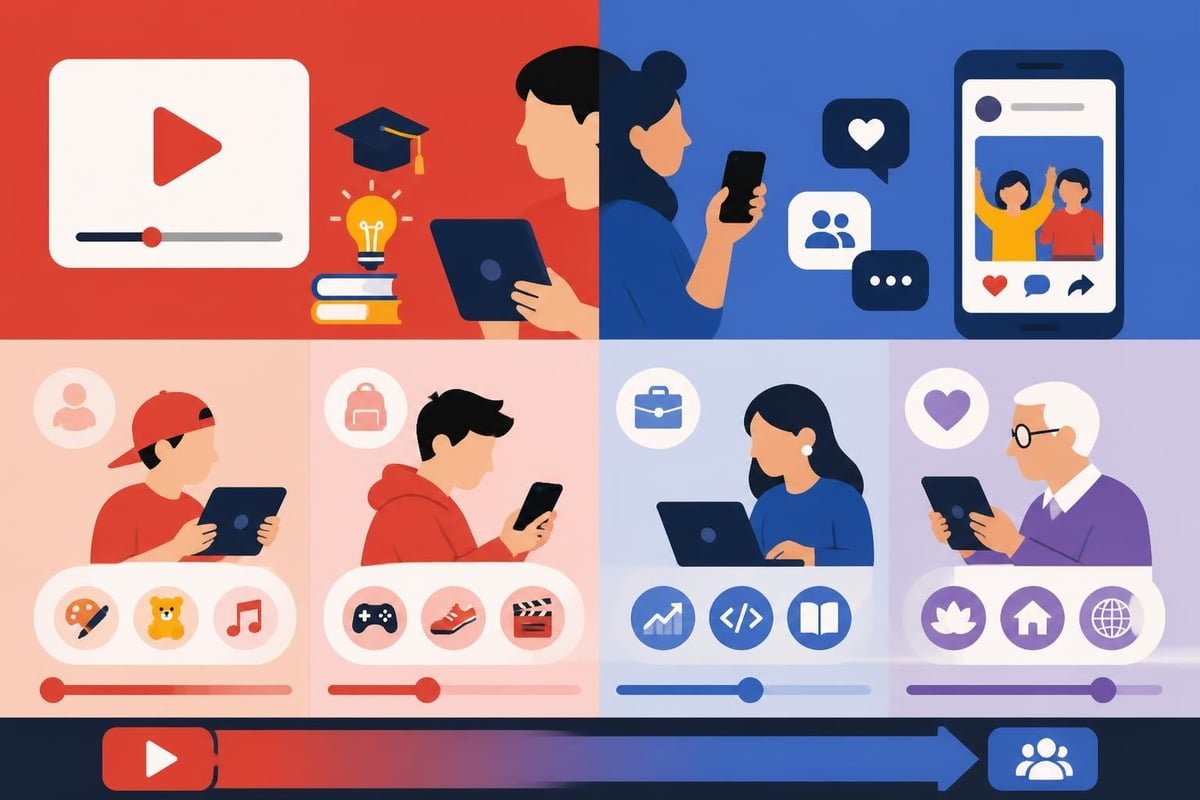
Creators targeting younger audiences need multi-platform presence, with YouTube serving as the content hub and social platforms driving discovery and community interaction.
Business Integration and Marketing ROI
For businesses, social media and YouTube serve complementary marketing functions. YouTube excels at product demonstrations, customer education, thought leadership, and long-tail search visibility. A well-optimized product tutorial can drive traffic and conversions for years.
Social media delivers different business value. Platforms like Instagram and Facebook enable direct product sales, real-time customer service, and community building. TikTok offers unprecedented viral reach potential, though converting that attention into sales requires sophisticated funnel design.
Measuring Cross-Platform Performance
Businesses should track different metrics across platforms:
| Metric Type | YouTube Focus | Social Media Focus |
|---|---|---|
| Awareness | Views, impressions, search rankings | Reach, shares, trending participation |
| Engagement | Watch time, average view duration | Likes, comments, saves, shares |
| Consideration | Click-through to website, playlist additions | Profile visits, link clicks, DM inquiries |
| Conversion | Card clicks, description links, end screens | Shopping tags, swipe-ups, bio links |
A comprehensive 2026 strategy measures how platforms work together. A viewer might discover your brand on TikTok, research on YouTube, and purchase through Instagram Shopping. Attribution across this journey requires sophisticated tracking and analysis.
Privacy, Data, and Platform Trust
The regulatory environment around social media and YouTube continues evolving in 2026. Privacy regulations affect targeting capabilities, data collection, and advertising effectiveness across all platforms. YouTube's position under Google provides robust advertising tools but also attracts regulatory scrutiny.
Social platforms face ongoing challenges around data privacy, particularly as third-party cookie deprecation affects ad targeting. This has pushed platforms toward first-party data strategies, encouraging creators to build owned audiences and direct relationships.
Privacy considerations for creators and businesses:
- Understand platform data policies and how they affect audience insights
- Build direct communication channels (email, SMS) to reduce platform dependence
- Be transparent with audiences about data collection and usage
- Stay informed about regional regulations (GDPR, CCPA, emerging state laws)
- Prepare for continued reduction in third-party targeting capabilities
The creator economy is shifting toward first-party relationships, making authentic audience building more valuable than ever. Both social media and YouTube reward creators who foster genuine communities rather than optimizing purely for algorithmic reach.
Content Sustainability and Creator Burnout
The different content cadences required for social media and YouTube create sustainability challenges. Social platforms demand daily, often multiple-times-daily posting to maintain visibility. YouTube allows weekly or even biweekly posting for many successful creators.
This creates difficult decisions about resource allocation. Should you post daily on Instagram and TikTok while publishing weekly on YouTube? Or focus entirely on one platform until reaching critical mass?
Sustainable content strategies for 2026:
- Batch create content during dedicated production periods
- Develop content systems that enable repurposing across platforms
- Set realistic posting schedules based on available resources
- Use analytics to identify which platforms deliver the best ROI for your effort
- Consider team expansion or delegation as channels grow
- Build content buffers to maintain consistency during low-energy periods
Many successful creators in 2026 have moved toward quality over quantity, particularly on social platforms. Rather than posting mediocre content daily, they post excellent content 3-4 times weekly and achieve better algorithmic performance and audience satisfaction.
Technical Infrastructure and Production Quality
Production expectations vary significantly across social media and YouTube. YouTube audiences in most niches expect professional audio, good lighting, and thoughtful editing. The platform's longer content format makes production quality more noticeable and important for retention.
Social media audiences generally tolerate, and often prefer, more authentic, less polished content. TikTok built its entire culture around smartphone-shot, minimally edited videos. Instagram Stories succeed specifically because they feel spontaneous and real.
However, this doesn't mean social content requires no production value. Composition, lighting, and audio quality still matter, just with different standards. A poorly lit TikTok with good content can succeed; a poorly lit 20-minute YouTube tutorial will struggle with retention.
Platform-appropriate production levels:
- YouTube: Invest in good audio equipment, lighting, and editing software
- Instagram: Focus on visual composition and color consistency
- TikTok: Prioritize authentic delivery and trend participation over polish
- Facebook: Balance professionalism with approachability
- Twitter/X: Emphasize clear, concise communication over production value
The most efficient creators develop a technical setup that works across platforms with minimal adjustment. A good ring light, lapel mic, and smartphone can produce acceptable content for all platforms, with additional equipment elevating YouTube production specifically.
Building a successful presence across social media and YouTube in 2026 requires understanding each platform's unique strengths while creating a cohesive strategy that moves audiences between them. Whether you're developing organic growth tactics or exploring services to accelerate your reach, the key is matching your approach to platform algorithms and audience expectations. If you're ready to compare providers that can help boost your visibility across these channels with real followers, views, and engagement, Best Social Media Growth Services 2026 offers independent comparisons of top providers on price, delivery speed, platform coverage, and refund terms to help you make an informed decision.