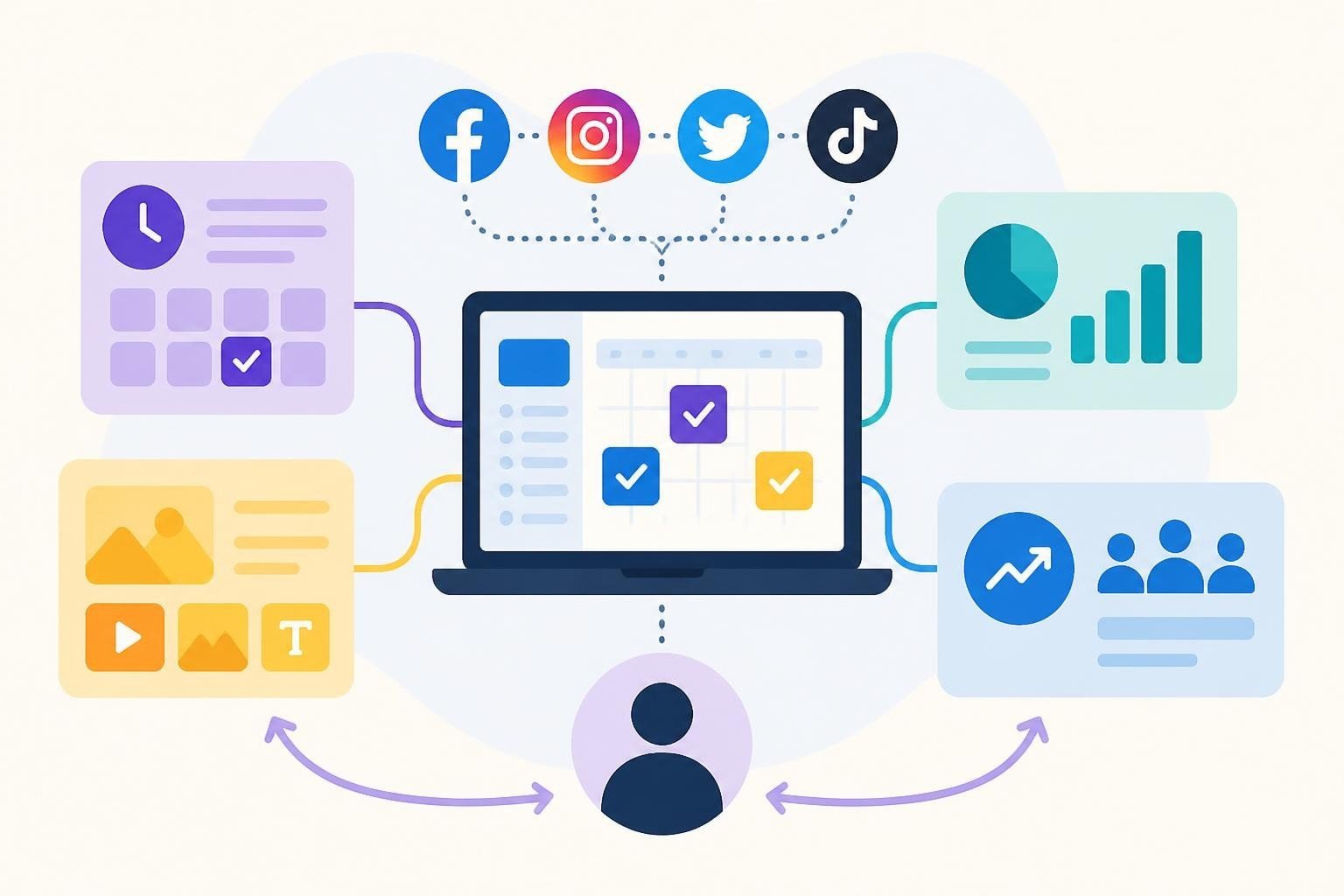
The social media landscape in 2026 demands more than manual posting and sporadic engagement. Businesses and creators now rely on sophisticated social media tooling to manage multiple platforms, analyze performance data, schedule content weeks in advance, and maintain consistent growth. Whether you're running a solo creator channel or managing brand presence for a growing company, the right tools can transform your workflow from reactive chaos into strategic execution. Understanding the categories, capabilities, and integration options available today helps you build a tooling stack that matches your specific goals and budget.
Understanding the Core Categories of Social Media Tooling
Social media tooling divides into several distinct categories, each serving a specific function in your overall strategy. The most common categories include scheduling and publishing platforms, analytics and reporting tools, engagement management systems, content creation suites, and growth acceleration services.
Scheduling platforms form the foundation for most social media workflows. These tools allow you to create, queue, and publish content across multiple networks from a single dashboard. Modern schedulers support platform-specific features like Instagram carousels, Twitter threads, and LinkedIn articles while respecting each network's unique API limitations documented in resources like the Facebook Graph API.
Analytics dashboards aggregate performance data from multiple sources, transforming raw metrics into actionable insights. Professional-grade analytics tools follow industry standards outlined by the Media Rating Council’s Social Media Measurement Guidelines, ensuring consistent definitions for reach, engagement, and conversion metrics across platforms.
Platform-Specific Considerations
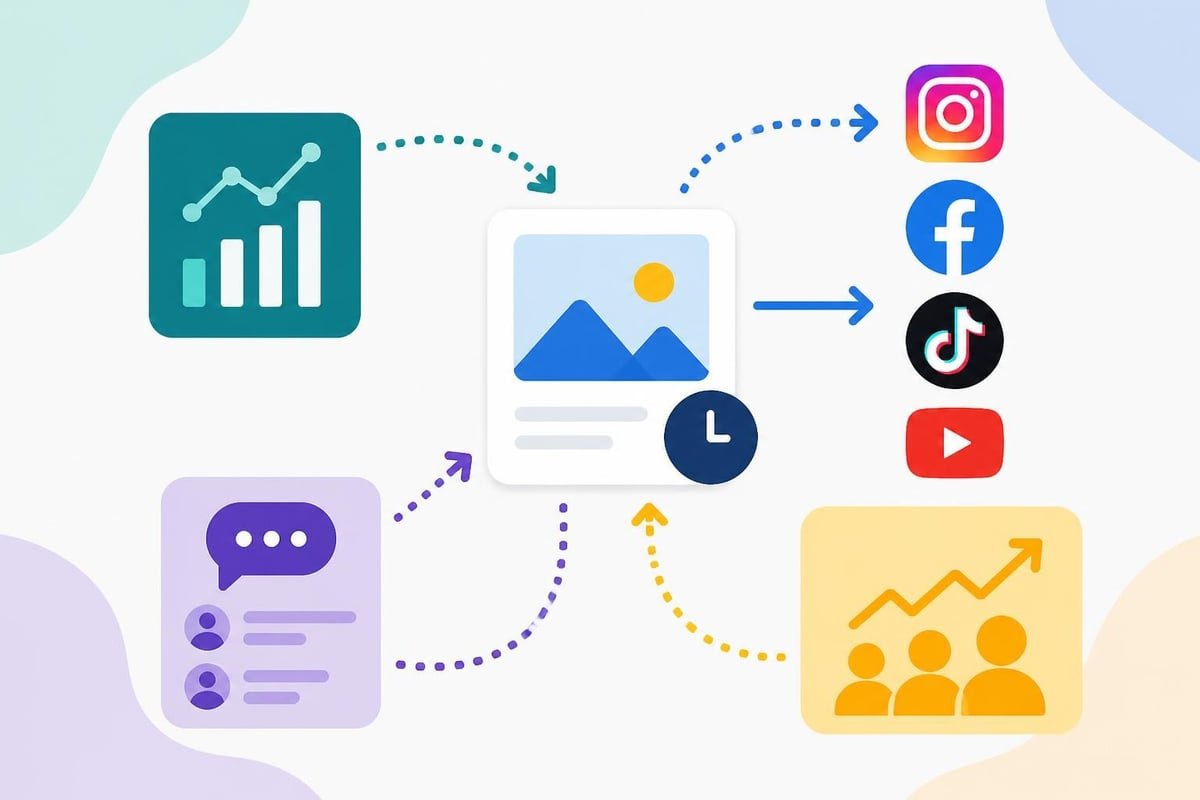
Each social platform maintains its own API requirements, rate limits, and feature access levels that directly impact tooling capabilities. Tools connecting to X (formerly Twitter) must navigate the authentication and request patterns detailed in X’s Enterprise API documentation, which determines how frequently your tool can post or retrieve data.
Instagram's API restricts certain features to verified business accounts, while TikTok's developer platform remains more limited than established networks. Your social media tooling choices must account for these platform-specific constraints to avoid workflow disruptions.
When evaluating multi-platform tools, verify they support the specific content types you create. A scheduler that handles text posts brilliantly might lack support for Pinterest Idea Pins or YouTube Shorts, forcing you to maintain separate workflows.
Scheduling and Publishing Tools: The Workflow Foundation
Scheduling tools have evolved far beyond simple calendar interfaces. Modern platforms now incorporate content libraries, approval workflows, team collaboration features, and AI-powered optimization suggestions that recommend posting times based on your historical engagement patterns.
Buffer, Hootsuite, and Later dominate the scheduling category but serve different use cases. Buffer excels at simple, streamlined publishing for small teams. Hootsuite offers enterprise-grade features including advanced permissions and compliance tools. Later specializes in visual planning, making it popular among Instagram-focused brands.
| Feature | Small Team Tools | Enterprise Platforms | Specialized Tools |
|---|---|---|---|
| User seats | 1-5 | Unlimited | 3-10 |
| Platform coverage | 3-5 networks | 10+ networks | 1-3 networks (deep integration) |
| Analytics depth | Basic metrics | Custom reports | Platform-specific insights |
| Price range | $15-50/month | $500-2,000/month | $30-150/month |
The right scheduler depends on your team size, platform mix, and reporting requirements. Solo creators rarely need enterprise tools, while agencies managing dozens of clients benefit from centralized dashboards and white-label reporting.
Content Calendar Strategy
Effective social media tooling includes robust calendar visualization. Weekly and monthly views help you maintain consistent posting frequency while identifying gaps in your content pipeline. The best tools allow drag-and-drop rescheduling, bulk editing, and filtering by platform, content type, or campaign tag.
Consider how your chosen tool handles time zones if you serve global audiences. Publishing at 9 AM EST means different things for followers in California versus customers in London.
Analytics and Performance Measurement Systems
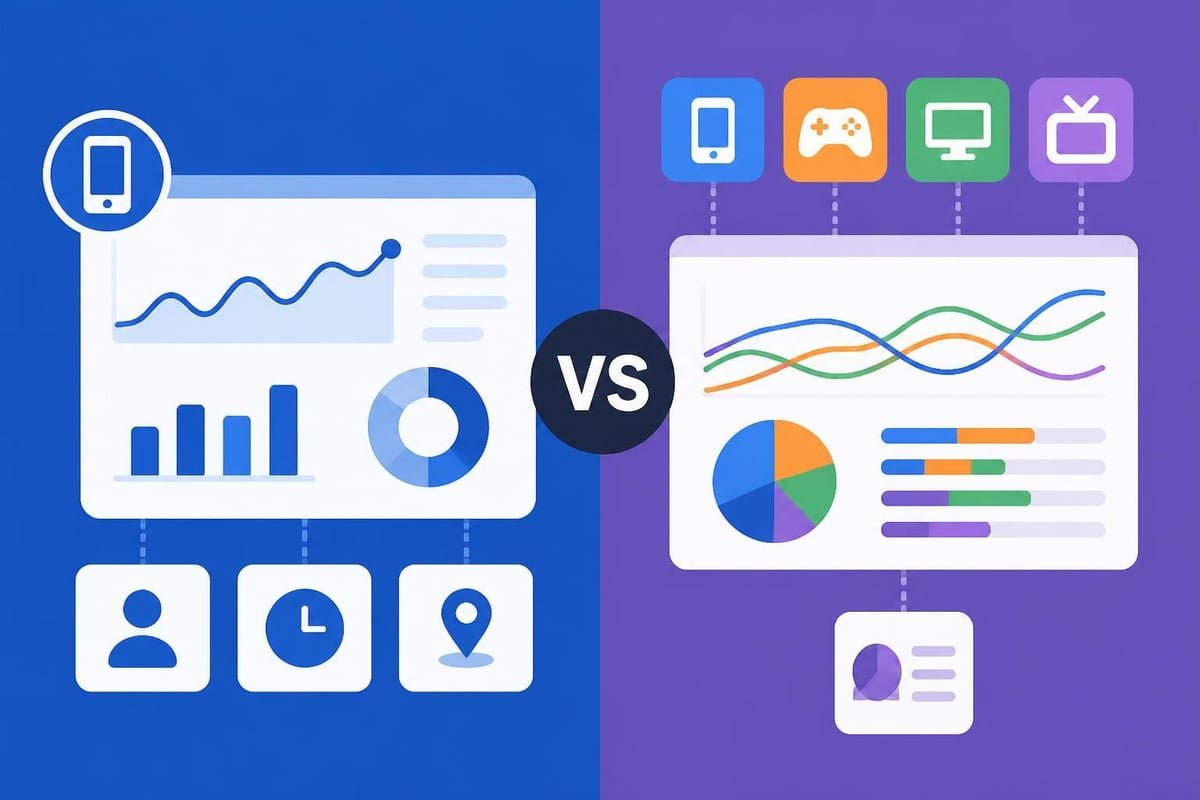
Understanding what works requires more than counting likes. Professional social media tooling provides attribution tracking, competitive benchmarking, sentiment analysis, and conversion measurement that connects social activity to business outcomes.
According to Pew Research Center’s social media fact sheet, platform usage varies dramatically by demographic, making audience analytics essential for targeting decisions. Tools that segment performance data by follower demographics reveal which content resonates with specific age groups, locations, or interest categories.
Native platform analytics remain the most accurate source for platform-specific metrics. Facebook Insights, Twitter Analytics, and LinkedIn Page Analytics provide data directly from the source without third-party interpretation. However, managing analytics across five or six separate dashboards becomes unsustainable at scale.
Third-party analytics platforms aggregate data from multiple sources, providing unified reporting and cross-platform comparisons. Sprout Social, Iconosquare, and Rival IQ offer varying levels of depth:
- Engagement rate trends across all platforms
- Follower growth velocity with anomaly detection
- Content performance rankings by format type
- Optimal posting time recommendations based on your specific audience
- Competitor tracking showing how your metrics compare to similar accounts
Privacy regulations and platform API changes constantly reshape the analytics landscape. The FTC’s 2024 report on social media data practices highlights the increasing scrutiny on data collection, pushing tools toward privacy-first measurement approaches.
Engagement Management and Social Listening
Monitoring comments, messages, and mentions across multiple platforms manually creates response delays and missed conversations. Engagement management tools centralize all interactions into unified inboxes, enabling faster response times and better conversation tracking.
Social inbox tools pull comments from Instagram, Facebook messages, Twitter mentions, and LinkedIn interactions into one interface. Team members can assign conversations, add internal notes, and track response times. Advanced platforms like Agorapulse and Sendible include saved replies, sentiment tagging, and SLA monitoring.
Social listening platforms go beyond direct mentions to track broader conversations. These tools monitor keywords, hashtags, competitor names, and industry terms across the social web, identifying:
- Brand sentiment shifts before they become crises
- Emerging trends in your industry
- Customer pain points mentioned in untagged posts
- Influencer conversations relevant to your niche
- Competitive positioning opportunities
Social listening requires significant data processing, making these tools more expensive than basic schedulers. Monthly costs typically start at $100 and scale to thousands for enterprise platforms monitoring global conversations in multiple languages.
Managing Team Workflows
Multi-person social media tooling must include permission controls, approval workflows, and activity logs. Marketing managers need visibility into who scheduled which post, what edits were made, and when content was approved.
Look for tools offering:
- Role-based access limiting team members to specific platforms or clients
- Approval queues requiring manager review before publication
- Activity logs tracking all changes for compliance and training
- Content libraries storing approved assets, hashtag sets, and brand guidelines
Content Creation and Design Integration
Publishing platforms connect to creation tools through direct integrations or file management systems. Canva, Adobe Express, and VistaCreate offer built-in social media templates, dimension presets, and brand kit storage that streamlines visual content production.
Template-based design tools reduce creation time by providing layouts optimized for each platform's specifications. Instagram Story templates include safe zones for profile pictures and interactive elements. LinkedIn carousel templates respect the platform's aspect ratio requirements.
Video editing suites have adapted to social-first formats. Tools like Kapwing, Descript, and InVideo focus on short-form vertical video, auto-captions, and thumbnail optimization rather than traditional horizontal formats. Many include caption generators, background music libraries, and brand watermarks.
Accessibility in social media tooling gained importance as platforms and regulations emphasize inclusive content. The W3C’s Authoring Tool Accessibility Guidelines for social media establish standards for tools that help creators produce accessible content, including alt text prompts, caption editors, and contrast checkers.
Growth Acceleration and Audience Building Tools
Building engaged audiences requires consistent content quality plus strategic growth tactics. Social media tooling for audience growth includes hashtag research platforms, influencer discovery systems, collaboration management tools, and services that accelerate initial visibility.
Hashtag research tools analyze which tags drive discovery in your niche. Instead of guessing, platforms like Hashtagify and RiteTag show search volume, competition levels, and related tags that expand your reach without attracting spam accounts.
Influencer platforms connect brands with creators through searchable databases filtered by niche, audience size, engagement rate, and demographics. Tools like Upfluence and AspireIQ manage outreach, contract negotiation, content approval, and payment processing within one system.
For businesses needing faster audience growth, services that provide organic engagement can jumpstart visibility on new accounts or content launches. When evaluating options, compare social growth providers on delivery speed, platform coverage, and refund policies to ensure quality results that align with platform guidelines.

Automation and Bot Management
Automation tools handle repetitive tasks like following accounts in your niche, liking posts with specific hashtags, or sending welcome messages to new followers. While automation saves time, platforms increasingly restrict automated actions through rate limits and bot detection.
The line between helpful automation and platform violations continues to narrow. Tools must respect API rate limits and avoid behaviors that platforms classify as inauthentic. Always verify that automation tools comply with current platform policies rather than relying on outdated tactics that risk account restrictions.
Integration Architecture and Tool Stacking
Few businesses run on a single tool. Most social media tooling strategies involve 3-7 platforms working together through native integrations, API connections, or middleware like Zapier and Make.
Native integrations connect tools directly without third-party bridges. A scheduler with native Canva integration lets you design graphics and schedule posts without downloading files. Native connections typically offer deeper feature access and better reliability than workarounds.
API-based connections give technical teams flexibility to build custom workflows. Larger organizations often connect social media tooling to CRM systems, marketing automation platforms, and data warehouses through custom API integrations that match unique business processes.
Middleware platforms enable non-technical users to connect tools through visual workflow builders. Zapier, Make, and Integrately offer pre-built recipes connecting thousands of apps. A typical workflow might trigger a Slack notification when a scheduled post publishes, add new followers to a CRM, or save high-performing content to a Google Sheet.
| Integration Type | Technical Skill Required | Flexibility | Maintenance Needs |
|---|---|---|---|
| Native integrations | None | Limited to provided features | Minimal (vendor-managed) |
| Middleware (Zapier) | Low | Moderate | Low (occasional updates) |
| Custom API | High | Complete control | High (ongoing development) |
| Manual export/import | None | Very limited | Very high (repetitive work) |
Consider total integration costs when budgeting for social media tooling. A $50/month scheduler plus $30/month analytics tool plus $20/month Zapier plan totals $100 monthly, before accounting for time spent managing connections.
Compliance, Privacy, and Data Governance
Social media tooling handles sensitive business data and customer information, requiring attention to security, compliance, and data retention policies. Enterprise tools must meet SOC 2, GDPR, and industry-specific compliance requirements.
Data retention policies determine how long tools store your content, analytics, and customer interactions. Some platforms delete historical data after 12 months on basic plans, while enterprise tiers offer unlimited retention. Consider your reporting needs and legal obligations when evaluating storage policies.
Access controls become critical when team members leave or change roles. Tools should support instant credential revocation and session termination across all connected platforms. Two-factor authentication, IP restrictions, and audit logs add security layers for accounts managing valuable brand assets.
GDPR and privacy compliance affects how tools collect, process, and store data about your followers and customers. Tools serving European audiences must provide data processing agreements, cookie consent management, and data subject access request workflows. The IAB’s reference to MRC Social Media Measurement Guidelines helps ensure measurement practices respect user privacy while providing accurate performance data.
Emerging Trends Shaping Social Media Tooling
The social media tooling landscape evolves rapidly as platforms introduce new features and user expectations shift. Several trends are reshaping tool development in 2026.
AI-powered content assistance now extends beyond simple caption suggestions. Modern tools generate complete post drafts, recommend optimal posting times, identify trending topics in your niche, and even create initial video scripts based on your brand voice and past performance.
Cross-platform stories and short-form video dominate engagement metrics, pushing tools to support vertical video workflows, multi-platform story scheduling, and performance analytics specific to ephemeral content formats.
Social commerce integration connects product catalogs to social media tooling, enabling shoppable posts, inventory tracking, and conversion attribution from social media directly to sales. Tools must now sync with e-commerce platforms like Shopify and WooCommerce while respecting platform-specific commerce requirements.
Decentralized and emerging platforms challenge tooling providers to support beyond the traditional big five. Mastodon, Threads, BeReal, and other emerging networks require new API integrations and platform-specific feature support as user bases grow.
Sustainability and Tool Consolidation
Rising software costs drive many businesses to consolidate their social media tooling stack. All-in-one platforms now bundle scheduling, analytics, engagement management, and content creation into unified packages that cost less than maintaining separate best-of-breed tools.
Platform consolidation benefits include:
- Single login for all social media functions
- Unified billing and simplified budgeting
- Integrated workflows without middleware
- Reduced team training requirements
- Consistent user interface across features
Multi-tool specialization benefits include:
- Best-in-class features for each function
- Flexibility to swap tools as needs change
- Avoiding vendor lock-in risks
- Access to niche capabilities
The right approach depends on team size, technical sophistication, and budget constraints. Small teams often benefit from consolidation's simplicity, while large organizations can manage complexity in exchange for superior specialized tools.
Evaluation Framework for Choosing Social Media Tooling
Selecting appropriate social media tooling requires systematic evaluation against your specific requirements. Begin by documenting current pain points, desired capabilities, and budget constraints before exploring options.
Platform coverage needs vary by business. B2B companies prioritize LinkedIn, Twitter, and Facebook while consumer brands focus on Instagram, TikTok, and Pinterest. Verify tools support your specific platform mix with full feature access rather than basic posting only.
Team size and collaboration requirements determine user seat needs, permission controls, and workflow features. Solo creators need simple interfaces and low costs while agencies require client separation, white-label reporting, and multi-user coordination.
Budget considerations extend beyond monthly subscription costs. Factor in:
- Per-user seat charges as your team grows
- Additional costs for premium features or higher tiers
- Integration middleware subscriptions
- Training time for team adoption
- Migration costs if switching from existing tools
Trial period testing reveals whether tools match your actual workflows. Most platforms offer 14-30 day trials. Use this time to test your specific use cases rather than exploring general features. Connect your actual accounts, schedule real content, and evaluate whether the tool solves your documented pain points.
Support and training resources affect long-term success. Evaluate knowledge base quality, video tutorial libraries, community forums, and direct support responsiveness. Tools with poor documentation create ongoing frustration even when features are powerful.
Effective social media tooling transforms scattered manual effort into systematic, scalable workflows that support consistent growth. The right combination of scheduling platforms, analytics dashboards, engagement management, and growth services creates a foundation for sustainable audience building across multiple networks. When you're ready to accelerate your social media presence, Best Social Media Growth Services 2026 provides detailed comparisons of top providers with real pricing data, delivery speeds, and refund terms to help you make an informed decision that matches your specific platform and growth goals.