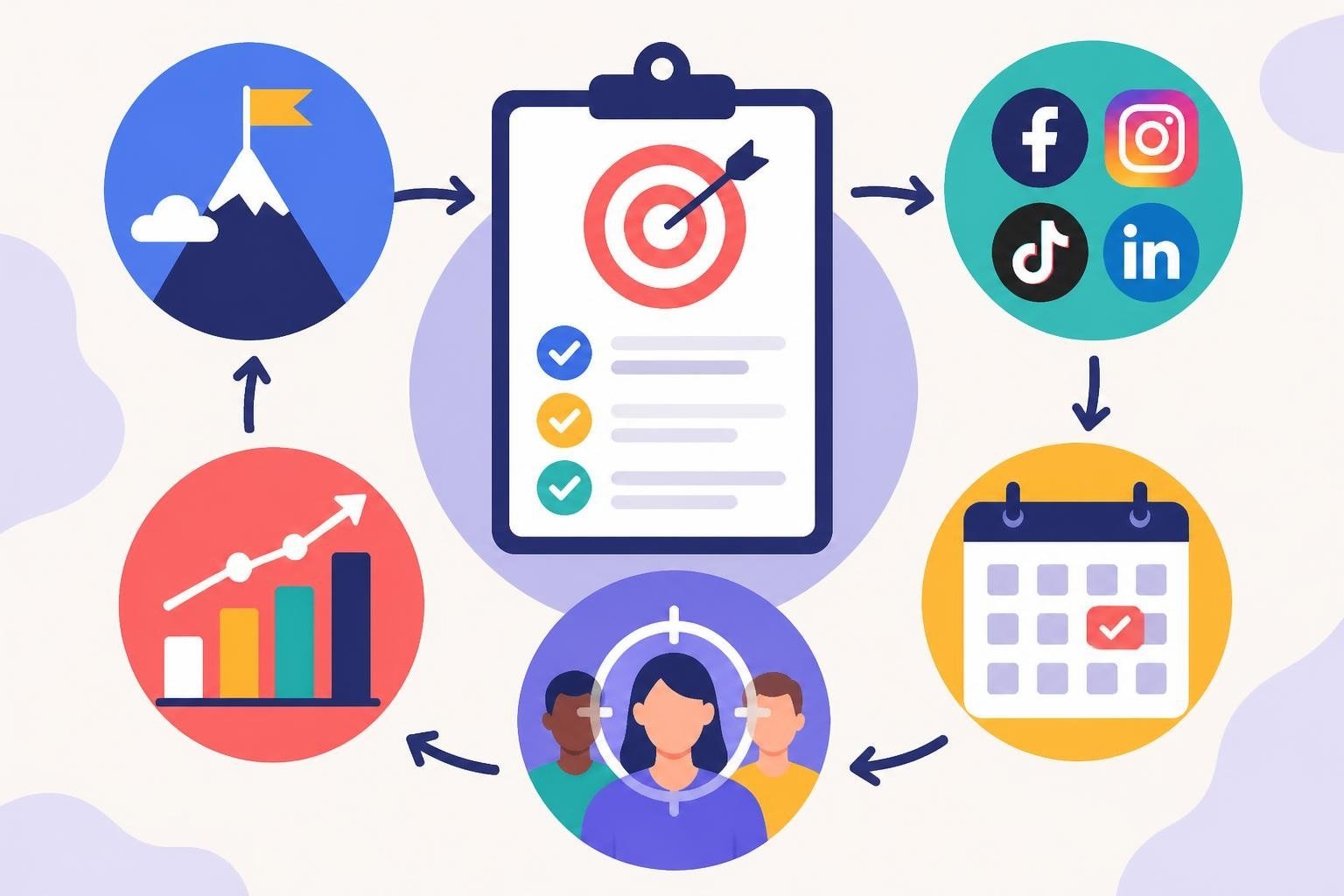
Building a successful social media campaign requires more than posting content and hoping for engagement. In 2026, brands face increasingly sophisticated algorithms, rising ad costs, and audiences that demand authenticity and value. Whether you're launching a product, building brand awareness, or driving conversions, a systematic approach to campaign planning, execution, and measurement separates memorable campaigns from forgettable ones. This guide walks you through the essential components of campaign success, from defining objectives to optimizing performance across platforms.
Define Clear Campaign Objectives and Success Metrics
Every successful social media campaign starts with specific, measurable objectives. Without clear goals, you cannot determine what tactics to deploy, which platforms to prioritize, or whether your efforts actually worked.
Align Objectives with Business Goals
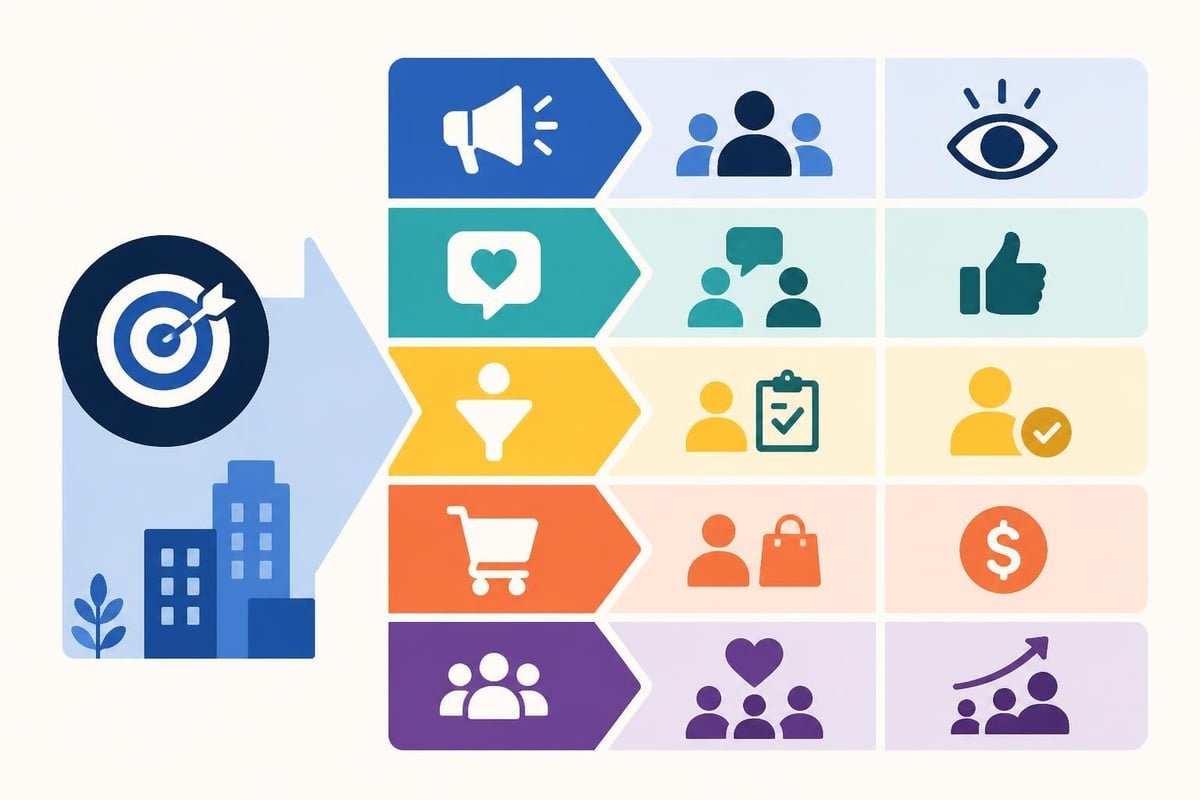
Your campaign objectives should directly support broader business outcomes. Common social media campaign objectives include:
- Brand awareness: Increase reach, impressions, and brand recall among target audiences
- Engagement: Generate comments, shares, saves, and meaningful interactions
- Lead generation: Capture email addresses, demo requests, or qualified prospect information
- Conversions: Drive purchases, sign-ups, downloads, or other revenue-generating actions
- Community building: Grow followers, subscribers, and active community members
Select one primary objective per campaign. Multi-objective campaigns often dilute resources and make performance measurement difficult.
Establish Quantifiable KPIs
Once you've defined objectives, attach specific numbers and timeframes. Instead of "increase engagement," aim for "achieve 5,000 post interactions within 30 days" or "grow Instagram followers by 15% quarter-over-quarter."
| Objective | Example KPI | Measurement Method |
|---|---|---|
| Brand Awareness | 2M impressions, 500K reach | Platform analytics, third-party tracking |
| Engagement | 25K interactions, 3.5% engagement rate | Native insights, engagement calculators |
| Lead Generation | 1,200 email sign-ups, $8 cost per lead | CRM integration, conversion tracking |
| Conversions | 400 purchases, 2.8% conversion rate | Pixel tracking, attribution modeling |
| Community Growth | 10K new followers, 85% retention rate | Follower analytics, growth tracking tools |
Platform-specific metrics and benchmarks vary significantly, so research industry standards for your vertical and chosen channels.
Select the Right Platforms for Your Audience
Platform selection determines who sees your campaign and how they interact with it. In 2026, Americans’ social media usage patterns show distinct demographic and behavioral differences across channels.
Match Platform Strengths to Campaign Goals
Each platform serves different content formats, user behaviors, and campaign types:
- Instagram: Visual storytelling, influencer partnerships, product discovery (especially for lifestyle, fashion, food)
- TikTok: Short-form video, trending audio, younger demographics, rapid viral potential
- Facebook: Broad reach, detailed targeting, community groups, event promotion
- LinkedIn: B2B campaigns, thought leadership, professional services, recruitment
- YouTube: Long-form video, tutorials, product reviews, educational content
- X (Twitter): Real-time conversations, news, customer service, trending topics
Rather than spreading resources across every platform, concentrate efforts where your target audience actively engages. A successful social media campaign for B2B software might prioritize LinkedIn and YouTube, while a fashion brand campaign would likely focus on Instagram and TikTok.
Analyze Audience Demographics and Behavior
Research where your specific audience spends time. Age, income, education, interests, and purchase behaviors all influence platform preference. For instance, if targeting Gen Z consumers interested in sustainable products, TikTok and Instagram would likely outperform Facebook.
Consider not just where audiences are, but how they use each platform. Instagram users browse visually and quickly, while YouTube viewers invest time in longer content. LinkedIn users scroll during work hours seeking professional insights, while TikTok engagement peaks during evening entertainment hours.
Develop Compelling Campaign Creative and Messaging
Creative execution makes the difference between campaigns that audiences scroll past and those that stop thumbs mid-feed. In 2026, authenticity, entertainment value, and immediate relevance matter more than production polish.
Craft Platform-Native Content
Successful social media campaigns adapt creative to each platform's unique format and culture. Repurposing identical content across channels signals lazy marketing and underperforms.
Platform-specific creative considerations:
- Instagram: High-quality visuals, carousel storytelling, Reels with trending audio, Stories with interactive elements
- TikTok: Native vertical video, participate in trends, personality-driven, entertainment-first approach
- Facebook: Mix of video and static images, longer captions accepted, community-building tone
- LinkedIn: Professional polish, data-driven insights, thought leadership positioning, document posts
- YouTube: Production quality matters, strong thumbnails, valuable long-form content, SEO-optimized titles
According to research on what makes content go viral, the most successful campaigns balance emotional resonance with social currency, giving audiences something worth sharing that reflects positively on them.
Build a Content Calendar with Strategic Variety
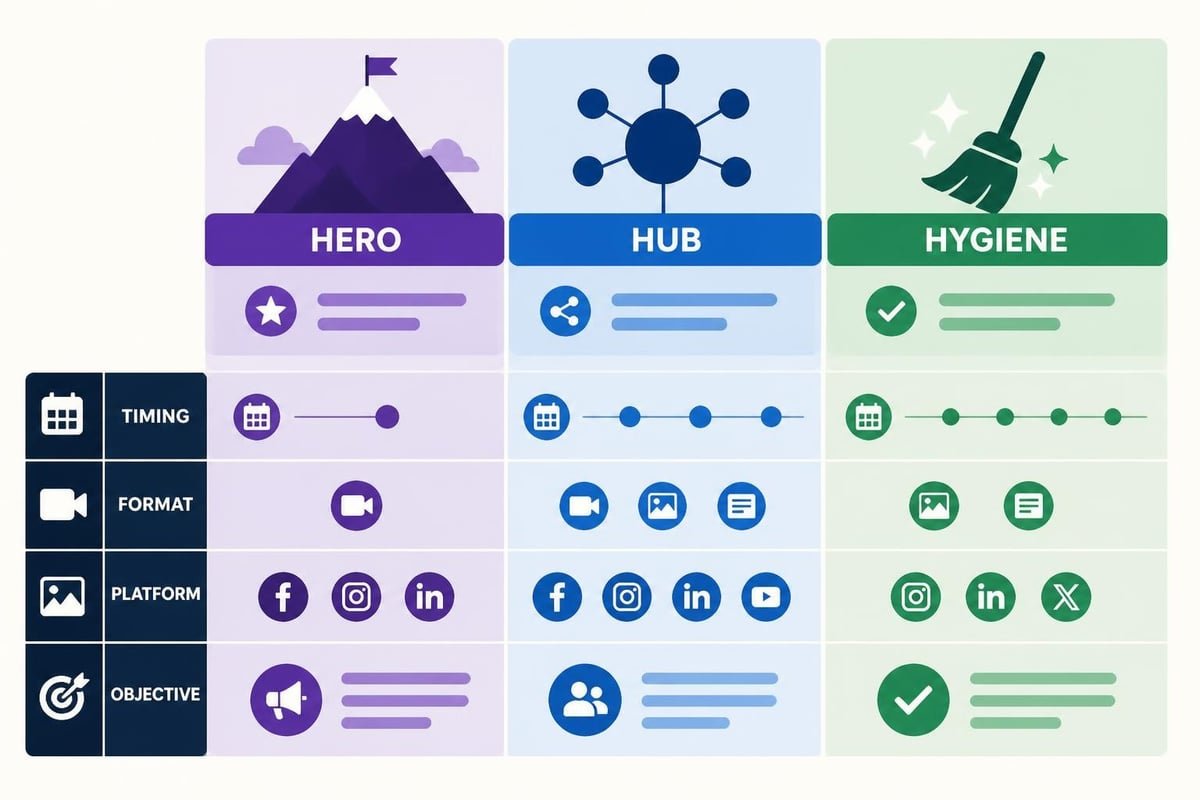
Plan content types, posting frequency, and timing in advance. A strong campaign mixes:
- Hero content: High-production flagship pieces (launch videos, major announcements)
- Hub content: Regular valuable content that builds authority (tips, tutorials, insights)
- Hygiene content: Day-to-day posts maintaining presence (user-generated content, behind-the-scenes, quick updates)
Schedule posts when your specific audience is most active, which varies by platform and demographic. Test different times and analyze engagement patterns to optimize scheduling.
Leverage Paid Promotion and Organic Growth Strategies
Most successful social media campaigns in 2026 combine paid advertising with organic tactics. Relying solely on organic reach limits campaign visibility, while paid-only approaches miss opportunities for authentic community building.
Structure Effective Paid Campaigns
When allocating budget to paid social, Meta’s advertising best practices emphasize proper campaign structure, creative quality, and measurement setup. Start with:
- Clear campaign hierarchy: Campaign objective → ad sets (audience, placement, budget) → individual ads (creative variations)
- Audience targeting: Layer demographics, interests, behaviors, and custom audiences (website visitors, customer lists, lookalikes)
- Budget allocation: Test with small budgets initially, scale what works, use campaign budget optimization for automated distribution
- Creative testing: Run multiple ad variations simultaneously, let algorithms identify winners, refresh creative regularly to combat fatigue
Set up proper conversion tracking (pixels, server-side APIs) before launching campaigns. Without accurate measurement, you cannot optimize spending or prove ROI.
Amplify Reach Through Organic Tactics
Organic strategies extend campaign reach without additional ad spend. Effective approaches include:
- Influencer partnerships: Collaborate with creators whose audiences match your target demographics
- User-generated content: Encourage customers to create and share branded content through contests, hashtags, or features
- Community engagement: Actively respond to comments, participate in relevant conversations, build genuine relationships
- Cross-promotion: Leverage email lists, websites, other social channels, and employee networks to drive traffic
For campaigns requiring rapid visibility boosts, comparing social media growth providers can help you evaluate options for supplementing organic growth with purchased engagement that looks authentic.
Implement Proper Tracking and Measurement Systems
You cannot improve what you do not measure. Comprehensive tracking reveals which campaign elements drive results and which waste resources.
Set Up Multi-Touch Attribution
Modern customer journeys rarely convert from a single touchpoint. Someone might discover your brand through a TikTok ad, research on Instagram, click through from an email, and finally purchase after seeing a retargeting ad on Facebook.
Attribution models to consider:
| Attribution Model | How It Works | Best For |
|---|---|---|
| Last-click | Credits the final touchpoint before conversion | Short sales cycles, direct response |
| First-click | Credits initial brand discovery | Brand awareness campaigns |
| Linear | Distributes credit equally across all touchpoints | Understanding full journey |
| Time-decay | Gives more credit to recent touchpoints | Longer consideration periods |
| Data-driven | Uses machine learning to assign credit based on patterns | Large data sets, complex journeys |
No single attribution model tells the complete story. Analyze multiple perspectives to understand campaign impact accurately. The IAB’s measurement standards provide frameworks for building trustworthy measurement systems.
Monitor Real-Time Performance and Adjust
Check campaign metrics daily during active periods. Look for:
- Underperforming ads: Pause ads with high cost per result or low engagement rates
- Budget pacing: Ensure spending aligns with campaign duration (not burning through budget too quickly or too slowly)
- Audience saturation: Watch for declining performance indicating you've reached most available users
- Creative fatigue: Refresh ads when engagement drops despite consistent reach
Navigate Compliance and Disclosure Requirements
Successful social media campaigns avoid legal pitfalls that can damage brand reputation and trigger regulatory penalties.
Follow FTC Guidelines for Endorsements and Influencers
If your campaign involves influencer partnerships, affiliate relationships, or any form of compensation for endorsements, FTC disclosure requirements mandate clear, conspicuous disclosures. Key rules:
- Disclosures must be impossible to miss (not buried in "#ad" among many hashtags)
- Platform-specific guidance applies (Stories need on-screen text, not just audio mentions)
- Both brands and influencers face liability for inadequate disclosures
- Material connections must be disclosed even for free products or other non-monetary compensation
Use clear language like "Paid partnership with [Brand]" or platform-built disclosure tools. Ambiguous phrases like "Thanks to [Brand]" or "Partner" do not meet legal requirements.
Respect User Privacy and Data Regulations
Campaign tracking and targeting must comply with data privacy laws including GDPR, CCPA, and emerging state regulations. Obtain proper consent for data collection, honor opt-out requests promptly, and maintain transparent privacy policies.
Optimize Performance Through Iterative Testing
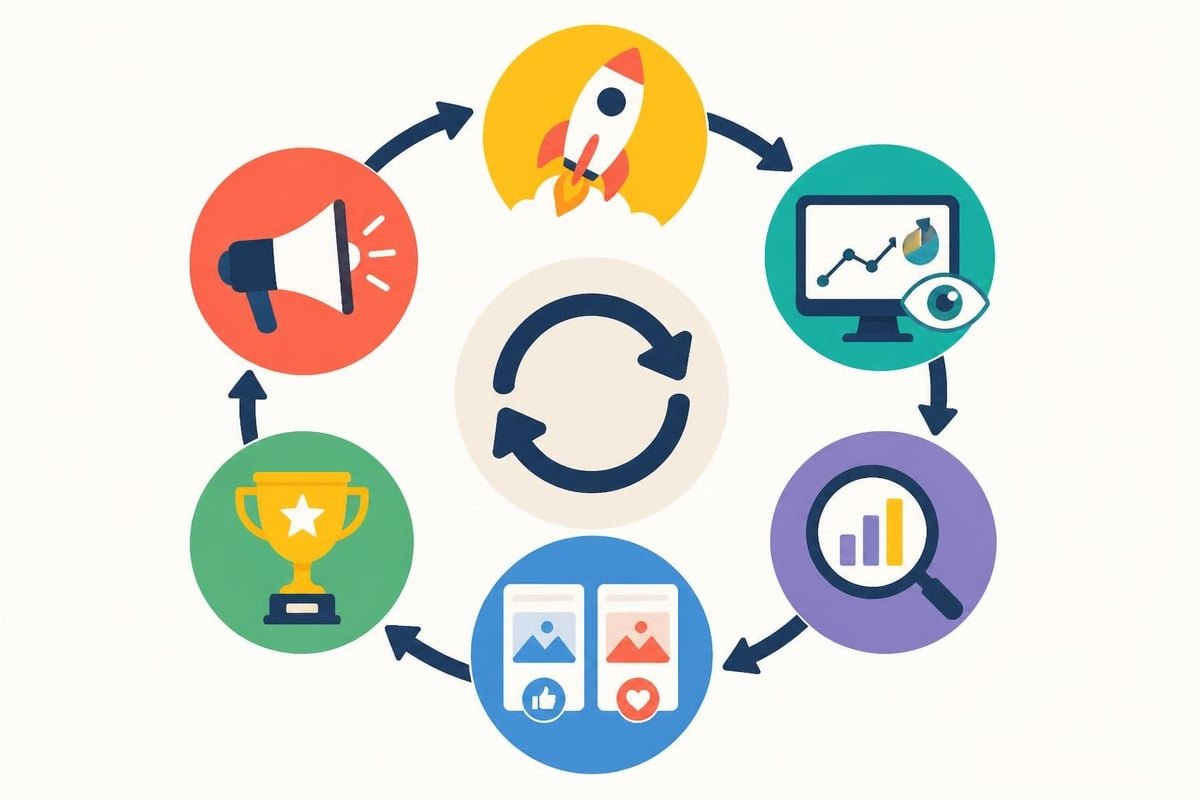
The most successful social media campaigns treat launch as the beginning of optimization, not the end of planning.
Conduct Systematic A/B Testing
Test one variable at a time to isolate what drives performance improvements:
- Creative elements: Images vs. videos, color schemes, calls-to-action, headline variations
- Audience segments: Age ranges, geographic locations, interest categories, custom vs. lookalike audiences
- Ad formats: Stories vs. feed, carousel vs. single image, video length variations
- Messaging angles: Benefits vs. features, emotional vs. rational, urgency vs. informational
Run tests with sufficient sample sizes and duration to reach statistical significance. Making decisions based on small data sets leads to false conclusions and wasted optimization efforts.
Scale What Works, Cut What Doesn't
When testing reveals clear winners, shift budget toward high-performing combinations. However, maintain some budget for ongoing testing-audience preferences shift, creative fatigues, and platforms introduce new formats.
Document learnings from every campaign. What worked (or failed) in one effort informs future strategy, building institutional knowledge over time.
Build Community Beyond Individual Campaigns
While individual campaigns have defined start and end dates, the most successful social media campaigns contribute to long-term community building.
Convert Campaign Participants into Ongoing Followers
Design campaigns that encourage ongoing relationship:
- Email capture: Offer valuable content in exchange for email addresses to nurture relationships beyond social platforms
- Exclusive communities: Create Facebook Groups, Discord servers, or other dedicated spaces for engaged audience members
- Loyalty programs: Reward repeat engagement, purchases, or referrals to build habitual interaction
- Content series: Launch campaigns as part of ongoing series rather than one-off events
According to Deloitte’s research on social transformation, brands increasingly view social channels as owned media requiring community investment rather than temporary campaign vehicles.
Maintain Consistent Brand Presence
Campaign success builds on existing brand equity. Between major campaigns, maintain regular posting schedules, respond to audience comments, and participate authentically in platform conversations. Brands that appear only to promote products then disappear struggle to build the trust necessary for campaign success.
Integrate Social Campaigns with Broader Marketing Efforts
Successful social media campaigns rarely succeed in isolation. Integration with other marketing channels multiplies effectiveness.
Coordinate Email and Social Strategies
Email and social media complement each other effectively:
- Use email to promote social campaigns to existing customers and subscribers
- Feature user-generated content from social campaigns in email newsletters
- Retarget email subscribers with social ads for reinforcement
- Capture social followers' email addresses for direct communication
Cross-channel coordination ensures consistent messaging while leveraging each platform's unique strengths.
Align Paid Search, Display, and Social Efforts
Users researching products often move between social platforms, search engines, and websites. Coordinate messaging, creative themes, and offers across channels for consistent experience. Remarketing campaigns work particularly well when coordinated across Google Ads and social platforms, recapturing interested users wherever they browse.
Learn from Campaign Performance Data
Every campaign generates valuable performance data. Successful marketers extract insights that inform future strategy.
Conduct Post-Campaign Analysis
After campaigns conclude, analyze comprehensive results:
- Performance vs. objectives: Did you hit defined KPIs? Which exceeded expectations? Which fell short?
- Platform comparison: Which channels delivered best ROI? Where should you increase or decrease investment?
- Audience insights: Which segments responded most strongly? Any unexpected high-performers?
- Creative analysis: Which messages, formats, and themes resonated? What fell flat?
- Cost efficiency: Calculate cost per result across different approaches to guide budget allocation
Post-campaign report template:
| Metric | Target | Actual | Variance | Analysis |
|---|---|---|---|---|
| Impressions | 2M | 2.4M | +20% | Exceeded target through strong organic sharing |
| Engagement Rate | 3.0% | 2.7% | -10% | Slightly below target; creative refresh needed |
| Conversions | 500 | 623 | +25% | Strong retargeting performance drove excess |
| Cost Per Conversion | $15 | $12.50 | +17% | Efficiency gains from mid-campaign optimization |
Apply Learnings to Future Campaigns
Document specific, actionable insights from each campaign. Create a knowledge base accessible to your team capturing what worked, what failed, and hypotheses for improvement. Institutional learning compounds over time, giving experienced teams significant advantages over competitors starting fresh with each effort.
Planning and executing a successful social media campaign demands strategic thinking, creative excellence, rigorous measurement, and continuous optimization. The most effective campaigns align clear objectives with authentic messaging, meet audiences on their preferred platforms, and build lasting relationships beyond individual initiatives. When you're ready to amplify your campaign's reach and engagement, Best Social Media Growth Services 2026 provides independent comparisons of top providers, helping you evaluate options based on pricing, delivery speed, platform coverage, and refund terms with tools that calculate real costs for your specific needs.