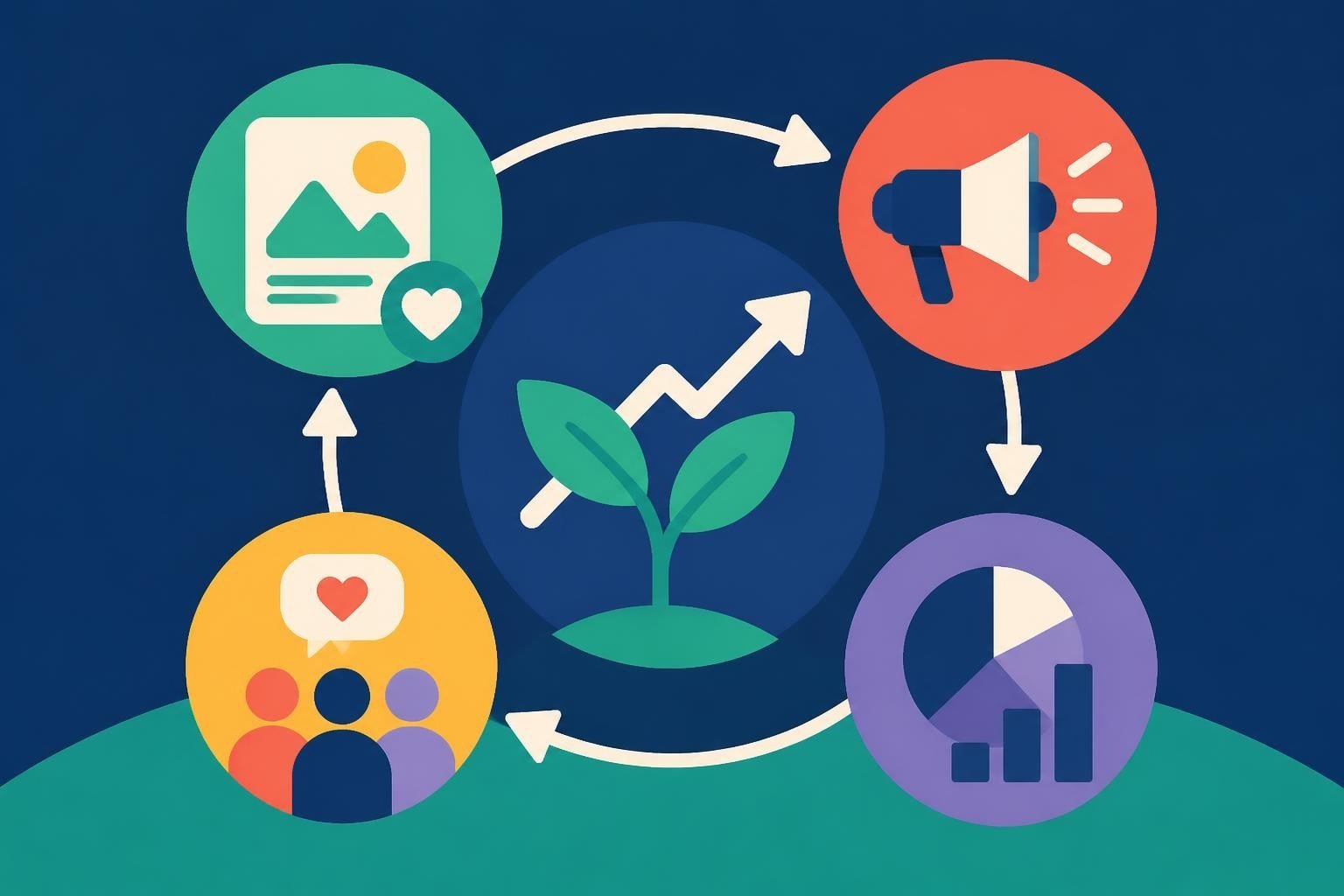
Social media has transformed from a novelty into the backbone of digital marketing. In 2026, brands compete for attention across platforms where billions of users spend hours daily. The best social media marketing strategies combine authentic engagement, data-driven decisions, and platform-specific content that resonates with target audiences. Understanding which tactics work, how to measure success, and where to invest resources separates thriving accounts from those struggling to gain traction.
Understanding Today's Social Media Landscape
The social media ecosystem continues to evolve rapidly. Recent data on U.S. social platform usage reveals that platform preferences vary significantly by age, income, and geography. YouTube and Facebook maintain broad reach across demographics, while TikTok dominates younger audiences and Instagram holds strong with millennials and Gen Z.
Platform selection forms the foundation of effective social media marketing. Rather than spreading resources thin across every network, successful marketers concentrate efforts where their audience actually spends time.
Choosing the Right Platforms for Your Brand
Not every platform deserves equal attention. Business-to-business companies often find LinkedIn delivers better engagement than TikTok, while consumer brands targeting Gen Z might prioritize Instagram Reels and TikTok over Facebook.
Consider these factors when selecting platforms:
- Audience demographics: Where do your ideal customers spend their time?
- Content format strengths: Does your brand excel at short video, long-form content, or visual storytelling?
- Resource capacity: Can you maintain consistent, quality posting on multiple platforms?
- Competition analysis: Where are competitors succeeding or leaving gaps?
- Platform growth trends: Which networks are gaining momentum in your industry?
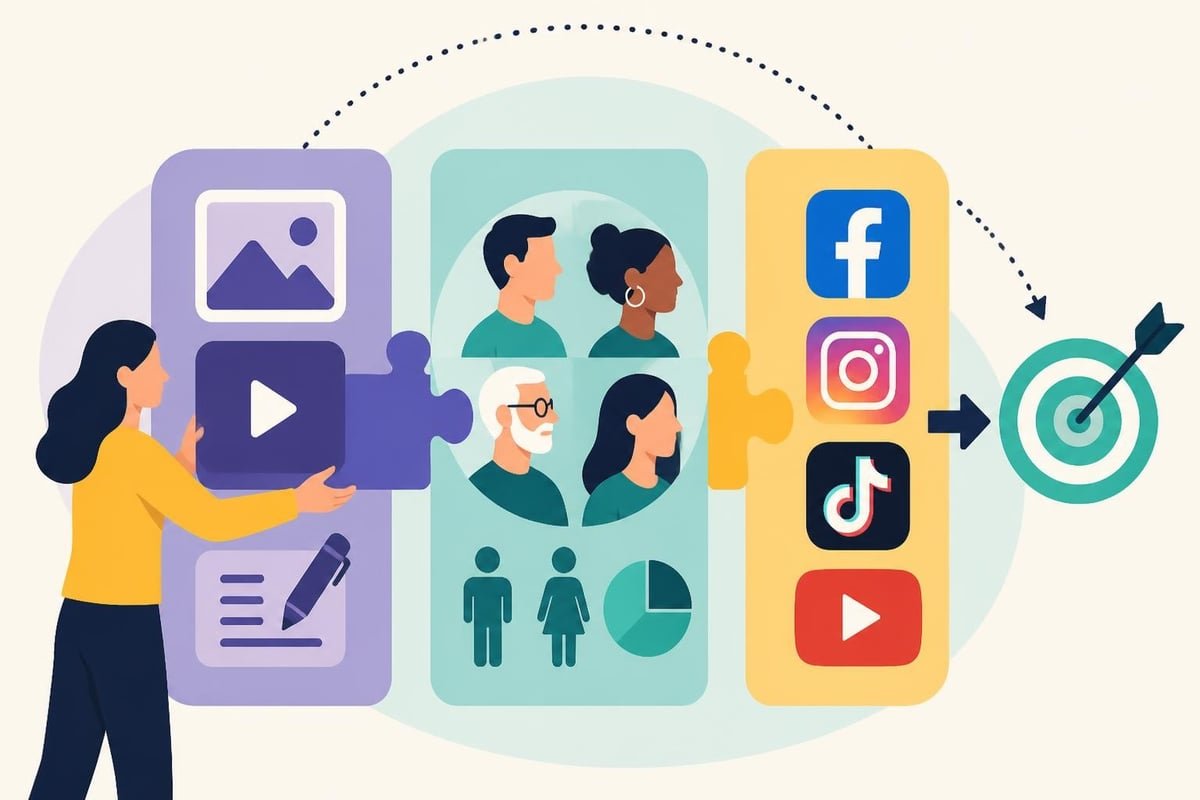
Starting with 2-3 platforms allows you to build genuine expertise and community rather than maintaining a weak presence everywhere. When you're ready to expand your reach quickly, you can compare social growth providers that offer packages across multiple platforms with transparent pricing and delivery timelines.
Content Strategy That Drives Engagement
The best social media marketing campaigns start with content that provides value. Entertainment, education, inspiration, and community connection consistently outperform promotional posts in organic reach and engagement.
Creating Platform-Specific Content
Each platform has unique content expectations and algorithm preferences. What works on LinkedIn rarely succeeds on TikTok. Successful marketers adapt their core message to fit platform norms.
Platform Content Guidelines:
| Platform | Optimal Format | Posting Frequency | Best Content Types |
|---|---|---|---|
| Reels, Stories, Carousels | 4-7 times/week | Behind-scenes, tutorials, UGC | |
| TikTok | Short video (15-60 sec) | 1-3 times/day | Trends, entertainment, education |
| Articles, carousels, video | 2-5 times/week | Industry insights, thought leadership | |
| Mixed media, live video | 3-5 times/week | Community content, events, longer video | |
| Twitter/X | Text, images, threads | 3-10 times/day | News, commentary, quick tips |
| YouTube | Long-form video (8-15 min) | 1-4 times/week | Tutorials, vlogs, deep dives |
The best social media marketing balances educational content with entertainment. Developing a comprehensive content strategy ensures your social efforts align with broader business objectives and audience needs.
The Content Calendar Approach
Consistency beats perfection in social media marketing. A well-planned content calendar prevents last-minute scrambles and ensures balanced messaging across themes.
Your calendar should include:
- Tent-pole content: Major campaigns, product launches, seasonal initiatives
- Evergreen posts: Timeless tips, tutorials, and educational content
- Trending opportunities: Flexibility to jump on relevant cultural moments
- User-generated content: Customer stories, testimonials, and community highlights
- Behind-the-scenes: Humanizing content that builds connection
Planning 30-60 days ahead provides structure while leaving room for spontaneity. Batch-creating content during dedicated sessions improves quality and reduces daily stress.
Leveraging Analytics and Performance Data
Effective social media marketing requires constant measurement and optimization. Vanity metrics like follower counts matter less than engagement rates, click-throughs, and conversions that impact business outcomes.
Key Metrics Worth Tracking
Focus on metrics that connect to business goals. E-commerce brands track product clicks and purchases, while B2B companies monitor lead generation and website traffic.
Essential Social Media Metrics:
- Engagement rate: (Likes + comments + shares) / followers × 100
- Reach vs. impressions: Unique viewers vs. total views
- Click-through rate: Link clicks / impressions × 100
- Conversion rate: Desired actions / total clicks × 100
- Share of voice: Your brand mentions vs. competitor mentions
- Follower growth rate: New followers / total followers × 100
Industry benchmarks and content performance insights help contextualize your results. What counts as "good" engagement varies dramatically by industry and platform.

Testing and Optimization Cycles
The best social media marketing involves continuous experimentation. Test posting times, content formats, caption lengths, and call-to-action phrases to discover what resonates.
Run focused tests by changing one variable at a time:
- Post the same content at different times to find optimal scheduling
- Test carousel vs. single image posts with identical messaging
- Compare question-based vs. statement captions
- Experiment with emoji usage, hashtag counts, and caption lengths
Document results and double down on winning approaches. Small improvements compound over months into significant performance gains.
Paid Social Advertising Fundamentals
Organic reach continues declining across platforms as algorithms prioritize paid content and user connections. The best social media marketing strategies combine organic community building with strategic paid amplification.
When to Invest in Paid Social
Paid advertising accelerates results that organic posting builds slowly. New accounts benefit from awareness campaigns, while established brands use ads to promote specific offers or reach new demographics.
Smart paid social investments focus on:
- Launching new products or services to expand beyond existing followers
- Retargeting website visitors who didn't complete desired actions
- Testing content performance before committing to larger campaigns
- Reaching specific demographics difficult to attract organically
- Promoting time-sensitive offers requiring rapid awareness
According to IAB and PwC Internet Ad Revenue reports, social advertising spending continues growing as brands recognize platform targeting capabilities and measurable ROI.
Targeting and Audience Segmentation
Platform advertising tools offer sophisticated targeting beyond basic demographics. Layering interest, behavior, and custom audience data creates highly relevant ad experiences.
Effective Audience Building Approaches:
- Custom audiences: Upload customer lists, website visitors, or app users
- Lookalike audiences: Find new users similar to existing customers
- Interest targeting: Reach users based on hobbies, purchases, page likes
- Behavioral targeting: Target based on device usage, travel, purchase patterns
- Demographic layers: Add age, location, income, education filters
Start narrow with proven audiences, then expand systematically. Broad targeting wastes budget on irrelevant impressions, while hyper-narrow audiences limit scale.
Influencer Partnerships and Collaborations
Influencer marketing has matured from celebrity endorsements to authentic partnerships with micro and nano-influencers. The best social media marketing often includes strategic collaborations that introduce brands to engaged communities.
Finding the Right Influencer Fit
Follower count matters less than engagement quality and audience alignment. A creator with 10,000 highly engaged followers often delivers better results than one with 100,000 passive followers.
Evaluate potential partners on:
- Audience overlap: Do their followers match your target customer?
- Engagement authenticity: Are comments genuine conversations or bot activity?
- Content quality: Does their production value and messaging align with your brand?
- Past partnerships: How did previous sponsored content perform?
- Values alignment: Do they represent perspectives consistent with your brand?
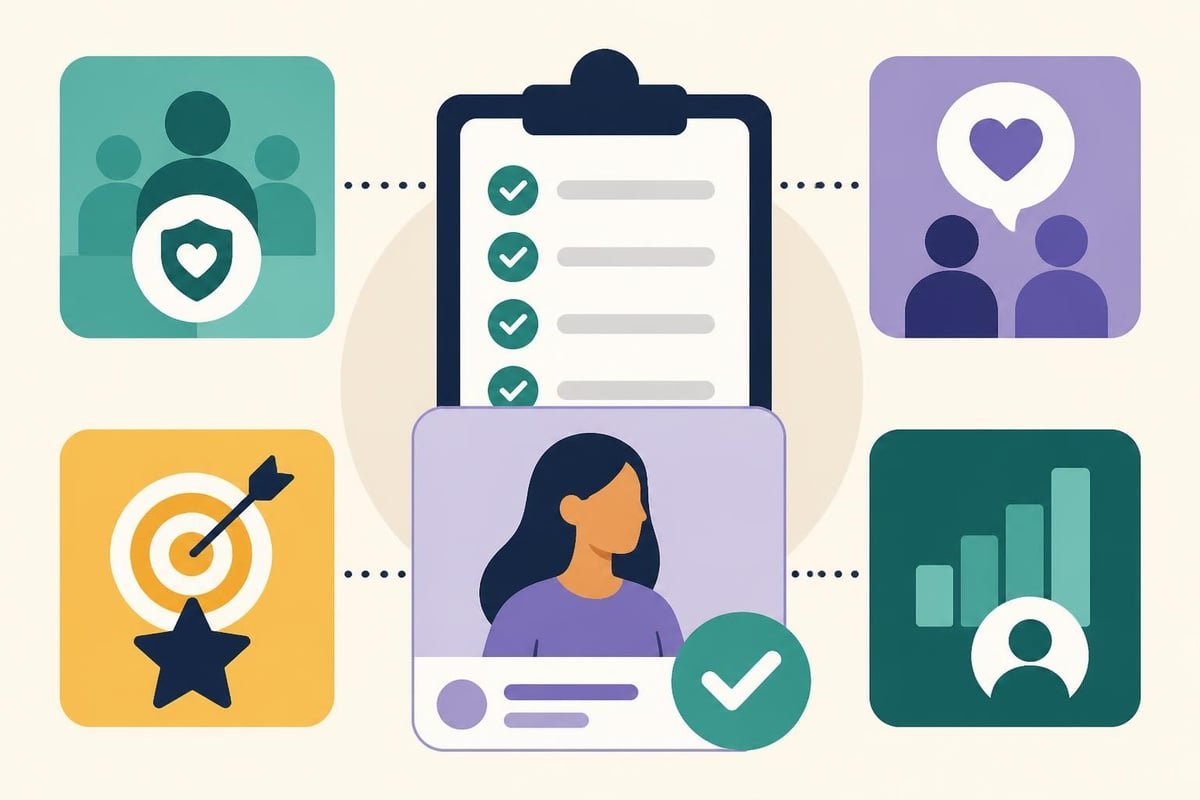
Micro-influencers (10,000-100,000 followers) often provide the best ROI through higher engagement rates and more affordable partnerships. Nano-influencers (under 10,000) excel at hyper-local or niche community marketing.
Compliance and Disclosure Requirements
FTC endorsement guidelines require clear disclosure of material connections between brands and influencers. Violations risk legal penalties and audience trust damage.
Ensure all partnerships include:
- Clear, conspicuous disclosure language (#ad, #sponsored, #partner)
- Disclosure placement before "show more" buttons
- Written agreements outlining posting requirements and disclosure obligations
- Content approval processes that maintain influencer authenticity
- Performance tracking tied to specific campaign goals
Transparency builds trust. Audiences accept sponsored content when creators maintain genuine enthusiasm and clear labeling.
Video Content Dominance Across Platforms
Video consumption continues accelerating across all demographics and platforms. Short-form video, live streaming, and long-form YouTube content each serve distinct marketing purposes.
Short-Form Video Strategy
TikTok, Instagram Reels, and YouTube Shorts reward entertaining, fast-paced content that captures attention in the first three seconds. The best social media marketing embraces video production even with minimal resources.
Successful short-form video tactics include:
- Hook viewers immediately: Start with surprising visuals or compelling questions
- Educate or entertain: Provide clear value within 15-60 seconds
- Use trending audio: Platform algorithms favor videos using popular sounds
- Include captions: Most users watch with sound off initially
- Clear call-to-action: Tell viewers exactly what to do next
Smartphone cameras and free editing apps make professional-looking video accessible. Authenticity often outperforms polished production in building community connection.
Live Video and Real-Time Engagement
Live streaming creates urgency and genuine interaction. Q&A sessions, behind-the-scenes tours, product demonstrations, and event coverage all benefit from live formats.
Live video drives engagement through:
- Platform algorithm boosts: Most networks prioritize live content in feeds
- Real-time interaction: Viewers comment and ask questions during broadcasts
- FOMO psychology: Live-only content encourages immediate viewing
- Authenticity signals: Unedited footage builds trust and transparency
- Notification triggers: Platforms alert followers when you go live
Promote live sessions 24-48 hours in advance while maintaining room for spontaneous streams. Repurpose recordings as on-demand content to extend value beyond the live moment.
Emerging Trends Shaping 2026 Strategy
Social media platforms continuously introduce features, algorithm changes, and format preferences. Staying current with 2026 social trends ensures your strategy remains competitive.
AI and Automation Tools
Artificial intelligence now powers content creation, customer service, and performance optimization across social platforms. The best social media marketing balances AI efficiency with human creativity and oversight.
Productive AI Applications:
| Use Case | Application | Benefit |
|---|---|---|
| Caption writing | AI-assisted copywriting tools | Faster drafting, A/B test variations |
| Image generation | Text-to-image creation for concepts | Rapid visual ideation, cost savings |
| Response automation | Chatbots for common questions | 24/7 customer service, faster response |
| Trend analysis | AI pattern recognition in data | Earlier trend identification |
| Content scheduling | Predictive posting optimization | Better timing based on engagement history |
Use AI to handle repetitive tasks while reserving human judgment for strategy, creativity, and community management requiring emotional intelligence.
Social Commerce Integration
Shopping directly within social apps eliminates friction between discovery and purchase. Instagram Shopping, TikTok Shop, Facebook Marketplace, and Pinterest shopping features transform social platforms into complete sales channels.
Optimize for social commerce by:
- Tagging products in organic posts and stories
- Creating shoppable video content demonstrating products
- Using platform-native checkout to reduce abandoned carts
- Showcasing user-generated content featuring your products
- Running targeted ads to users who viewed products but didn't purchase
Social commerce works best for visually appealing products with clear value propositions and moderate price points that allow impulse purchases.
Community Management and Customer Service
Social media functions as a primary customer service channel for many brands. Response speed, tone, and problem resolution directly impact brand perception and customer loyalty.
Building Genuine Community Connections
The best social media marketing prioritizes relationships over transactions. Regular engagement with followers, thoughtful responses, and community recognition create advocates who amplify your message.
Effective community management includes:
- Responding to comments within 24 hours: Acknowledge engagement promptly
- Addressing complaints publicly and constructively: Show transparency and accountability
- Celebrating community members: Share user content and success stories
- Creating conversation spaces: Use polls, questions, and discussion prompts
- Maintaining consistent voice: Train all team members on brand communication standards
Track sentiment alongside engagement metrics. Growing followers while increasing negative comments signals brand perception problems requiring strategic adjustment.
Crisis Management Protocols
Social media amplifies both positive and negative sentiment. Prepare crisis response procedures before problems emerge.
Your crisis plan should include:
- Monitoring triggers: Set alerts for brand mentions, sentiment shifts, and unusual activity
- Response hierarchy: Define who approves statements at different severity levels
- Holding statements: Prepare templates acknowledging issues while gathering information
- Communication channels: Determine when to respond publicly vs. privately
- Post-crisis analysis: Review what happened and update protocols
Speed matters in crisis response, but accuracy matters more. Acknowledge issues quickly while taking time to gather facts before committing to explanations or solutions.
Integration With Broader Marketing Efforts
Social media works best when integrated with email marketing, content marketing, SEO, and paid advertising. Siloed channel management creates inconsistent messaging and missed opportunities.
Cross-Channel Content Repurposing
Maximize content investment by adapting core assets across platforms. A single pillar piece generates dozens of social posts, email content, and advertising creative.
Transform content efficiently:
- Blog posts → Multiple social posts highlighting key points, infographic summaries, video explainers
- Webinars → Short video clips, quote graphics, carousel slides, podcast episodes
- Customer interviews → Testimonial posts, case study summaries, video snippets
- Industry reports → Data visualizations, key statistics graphics, expert reaction videos
- Product launches → Teaser campaigns, feature spotlights, tutorial content, user reactions
Maintain platform-appropriate formats while ensuring consistent core messaging. Reference comprehensive social media marketing guidance for integration strategies connecting paid, owned, and earned media.
Email and Social Synergy
Email and social media complement each other's strengths. Email provides owned channels with higher conversion rates, while social expands reach and awareness.
Connect these channels by:
- Promoting email signup through social posts and bio links
- Sharing social content previews in email newsletters
- Retargeting email subscribers with social ads
- Cross-promoting platform-specific offers
- Using consistent design and messaging across both channels
This integrated approach ensures you're building audiences you own (email) while leveraging platforms for discovery and engagement (social).
Budget Allocation and Resource Planning
Effective social media marketing requires strategic resource allocation across content creation, paid advertising, tools, and personnel. Budget constraints force prioritization decisions impacting overall strategy.
Determining Platform Investment Priorities
Not all platforms deserve equal budget allocation. Concentrate resources where you see the strongest engagement, clearest audience fit, and most direct connection to business goals.
Budget Allocation Framework:
- 40-50%: Top-performing platform with clearest ROI
- 30-35%: Secondary platform showing growth potential
- 15-20%: Experimental platforms or emerging opportunities
- 5-10%: Tools, analytics, and infrastructure
Review allocation quarterly based on performance data. Shift budget toward platforms delivering measurable business impact while maintaining presence where your audience expects to find you.
Build vs. Buy Decisions for Growth
Growing social presence organically requires significant time investment in content creation and community engagement. Some brands supplement organic growth with strategic social media marketing services that provide initial momentum through authentic engagement packages.
Consider acceleration services when:
- Launching new accounts that need credibility signals
- Breaking into competitive markets where visibility requires minimum follower thresholds
- Amplifying specific campaigns or content during critical launch windows
- Testing new platforms before committing full resources
Authentic growth services that deliver real, engaged users complement organic strategies rather than replacing them. Evaluate providers on platform coverage, delivery speed, refund terms, and transparency around sourcing methods.
Successful social media marketing in 2026 demands platform expertise, authentic engagement, data-driven optimization, and strategic resource allocation. The tactics that work continue evolving as algorithms change, new features launch, and audience preferences shift. Whether you're building an organic following, investing in paid advertising, or exploring influencer partnerships, focus on providing genuine value that resonates with your target audience. When you're ready to accelerate your social growth strategy, Best Social Media Growth Services 2026 offers an independent comparison of top providers with transparent pricing, delivery timelines, and platform coverage to help you make informed decisions backed by real data.