Creating the best social posts requires understanding what resonates with your audience, which formats work on each platform, and how to structure content that stops the scroll. In 2026, social media algorithms prioritize engagement signals like saves, shares, and meaningful comments, making post quality more important than ever. Whether you're building brand awareness or growing an active community, the anatomy of your posts directly impacts reach and conversion. This guide breaks down the top-performing post types, structural elements, and platform-specific best practices to help you craft content that drives real results.
Why Post Format Matters More Than Ever
Platform algorithms have evolved to detect and reward genuine engagement. The best social posts in 2026 aren't just visually appealing but strategically designed to prompt interaction and hold attention.
Algorithm Shifts Favor Engagement Over Reach
Most major platforms now prioritize content that generates saves, shares, and extended watch time. A post with high reach but low engagement will underperform compared to one that sparks conversation among a smaller audience. This shift means format choices like carousel posts, which encourage swipes and longer dwell time, or video content that holds viewers beyond three seconds, directly affect visibility.
Key metrics platforms prioritize:
- Time spent viewing content
- Completion rate for video
- Saves and shares (stronger than likes)
- Meaningful comments (multiple words, not just emojis)
Understanding how Americans use social platforms helps you align format choices with where your audience spends time and what behaviors they exhibit on each network.

Top 10 Best Social Post Formats for 2026
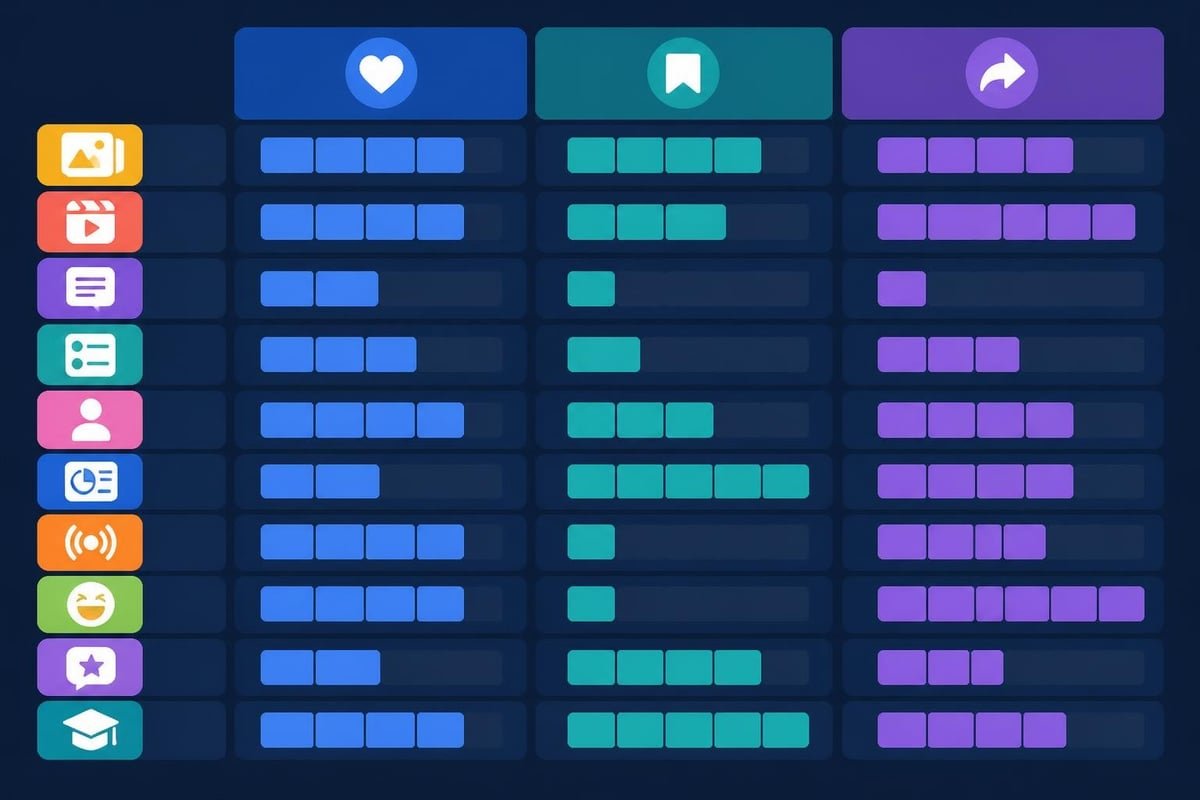
Different post structures serve different goals. Some formats educate, others entertain, and a few excel at driving conversions. Mixing these types throughout your content calendar keeps your feed dynamic and your audience engaged.
1. Carousel Posts (Educational and List-Based)
Carousels remain one of the best social posts for teaching concepts, sharing tips, or breaking down complex information. Each slide advances the narrative, encouraging users to swipe through to the end.
Why they work:
- High engagement per impression
- Excellent for step-by-step guides
- Easily saveable for future reference
- Algorithm rewards time spent swiping
Ideal structure: Start with a bold, benefit-driven cover slide, deliver value across 5-8 slides, and end with a clear call to action. Use consistent branding and design templates so your carousels are instantly recognizable.
2. Short-Form Video (Under 60 Seconds)
TikTok, Instagram Reels, and YouTube Shorts have cemented short-form video as essential. These posts capture attention quickly and deliver entertainment or education in digestible chunks.
According to TikTok’s creative guidance, the first three seconds determine whether viewers keep watching. Hook viewers immediately with a question, bold statement, or visual surprise.
Effective short video structures:
- Problem-solution in 15 seconds
- Quick tutorial or how-to
- Behind-the-scenes glimpse
- Trend participation with your unique angle
Avoid heavy editing. Authenticity and relatability often outperform polished production in 2026.
3. Text-Only Posts (Storytelling and Insights)
Platforms like LinkedIn and X reward well-crafted text posts that spark conversation. The best social posts in this category share personal stories, counterintuitive insights, or ask thought-provoking questions.
Format these for readability: short paragraphs, line breaks between ideas, and strategic use of bold or formatting when allowed. Open with a hook that makes someone pause mid-scroll.
| Platform | Optimal Length | Best For |
|---|---|---|
| 150-300 words | Professional insights, industry commentary | |
| X (Twitter) | 100-280 characters | Quick takes, questions, breaking news |
| 40-80 words | Community prompts, relatable stories |
4. User-Generated Content (UGC) Reposts
Sharing content created by your customers or followers builds trust and community. UGC posts perform well because they provide social proof and feel more authentic than branded content.
Always credit the original creator, ask permission before reposting, and add context explaining why you're sharing. Encourage more submissions by creating branded hashtags or running UGC campaigns with clear guidelines.
5. Polls and Interactive Questions
Interactive posts drive engagement directly through the platform's native features. Polls on Instagram Stories, LinkedIn, or X invite participation with minimal effort from your audience.
Effective poll topics:
- Product preference or feature requests
- Industry opinions or predictions
- "This or that" scenarios
- Vote on what content to create next
Follow up poll results with a post analyzing the outcome or explaining the reasoning behind choices. This creates a content loop that keeps audiences returning.
6. Before-and-After Transformations
Transformation posts work across industries: fitness progress, design revisions, business growth metrics, or skill development. They tell a compelling story visually and inspire action.
Structure these with context about the timeframe, what changed, and the process involved. Be honest about challenges and setbacks to maintain credibility.
7. Infographics and Data Visualizations
When you need to communicate statistics, processes, or comparisons, infographic-style posts simplify complex information. They're highly shareable and position you as a knowledgeable resource.
Keep designs clean with plenty of white space, limit color palettes to 2-3 colors, and ensure text is readable on mobile devices. According to Hootsuite’s content creation guides, vertical formats perform better on mobile-first platforms like Instagram and Pinterest.
8. Live Video and Real-Time Content
Live broadcasts create urgency and FOMO (fear of missing out). The best social posts in this format include Q&A sessions, product launches, behind-the-scenes tours, or event coverage.
Promote live sessions in advance, go live consistently on the same day/time to build habit, and repurpose recordings into shorter clips afterward. Engagement during live video signals strong audience interest to algorithms.
9. Memes and Relatable Humor
When done well, memes humanize your brand and tap into cultural moments. They're low-effort to create but require deep understanding of your audience's sense of humor and current trends.
Avoid forced or outdated references. The best brand memes either participate in existing viral formats or create original jokes that align with your brand voice. Test these on smaller audiences first if you're unsure about tone.
10. Customer Testimonials and Case Studies
Social proof drives conversions. Testimonial posts combine quotes, photos, and results to showcase real customer experiences. Case study posts dive deeper into specific success stories with metrics and timelines.
Elements of effective testimonial posts:
- Real photo of the customer (with permission)
- Specific outcome or benefit achieved
- Brief background or context
- Your brand's role in the transformation
For social media growth specifically, testimonials highlighting delivery speed, authenticity of engagement, or customer support responsiveness resonate strongly. If you're exploring ways to accelerate your own growth, compare social growth providers to find services offering organic views, subscriptions, and likes with transparent pricing and delivery terms.
Platform-Specific Best Practices
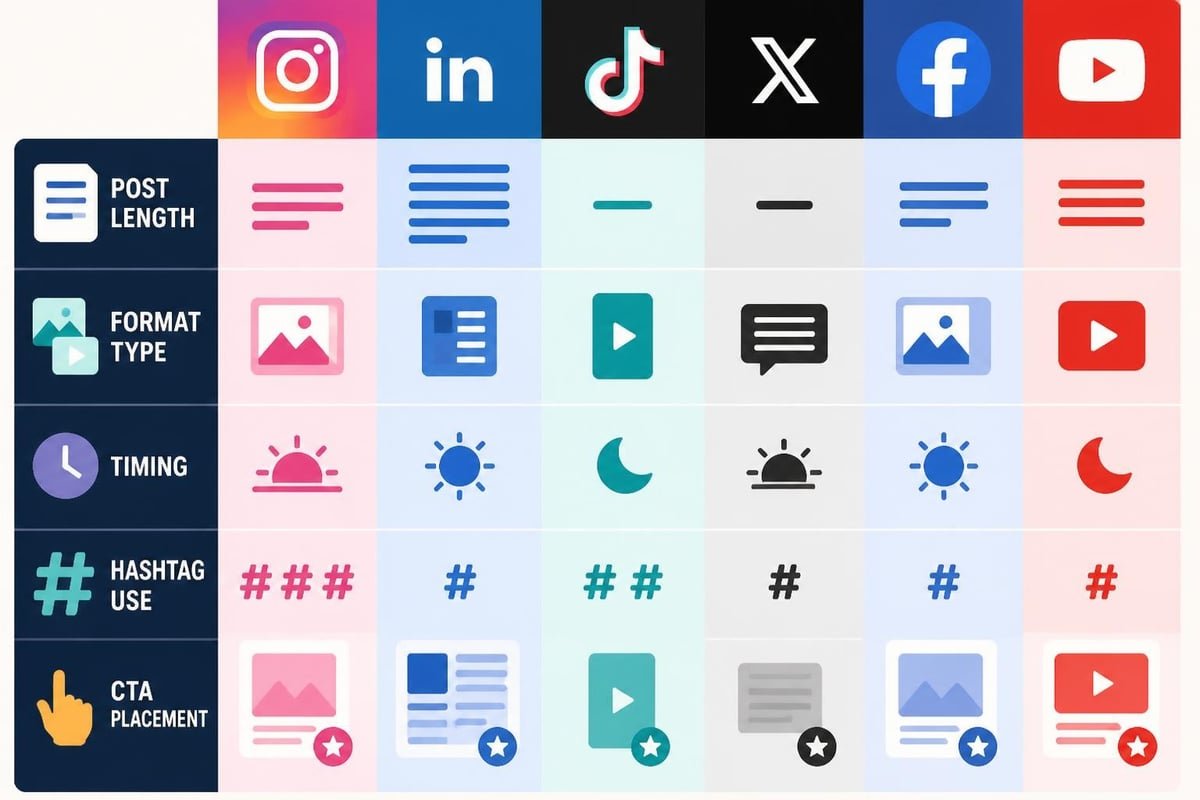
Each social network has unique audience expectations and algorithmic preferences. The best social posts are tailored to the platform's native culture and features.
Instagram: Visual Storytelling and Aesthetic Consistency
Instagram users expect high-quality visuals and cohesive feeds. Carousel posts and Reels perform exceptionally well, while static single images see declining engagement compared to 2024-2025.
Use all available features: tag products, add location, write keyword-rich captions, and include alt text for accessibility. Stories with stickers (polls, questions, quizzes) drive interaction and keep you visible in followers' Story trays.
LinkedIn: Professional Value and Thought Leadership
LinkedIn's algorithm rewards posts that spark professional discussion. The best social posts here educate, share industry insights, or tell career-related stories.
Write conversationally but professionally. Ask questions at the end of posts to encourage comments. Document-style carousel posts teaching frameworks or processes perform exceptionally well and generate high save rates.
LinkedIn’s marketing resources offer detailed guidance on content formats that resonate with professional audiences and drive business outcomes.
TikTok: Trend Participation and Authentic Content
TikTok's For You Page surfaces content based on watch completion and engagement, not follower count. Jump on trending sounds and formats quickly, but add your unique perspective or niche application.
The best social posts on TikTok feel native to the platform: vertical video, captions or text overlays, minimal editing, and relatable hooks. Educational content performs surprisingly well when packaged as entertainment.
X (Twitter): Timely Commentary and Conversation
X rewards timeliness and conversation. The best social posts here respond to news, share hot takes, or start threads that unpack complex topics.
High-performing X post structures:
- Opening with a counterintuitive statement
- Numbered threads (1/7, 2/7, etc.)
- Quote tweets adding perspective
- Polls on trending topics
Facebook: Community Building and Longer-Form Content
Facebook Groups and Pages serve different purposes. Group posts should foster discussion and community connection. Page posts can include longer captions, links to articles, and event promotion.
Video content, especially live streams and longer videos (3+ minutes), receives priority in feeds. HubSpot’s research on posting times and formats shows Facebook engagement peaks mid-week during lunch hours and early evenings.
YouTube: Search-Optimized Video Content
While not always considered traditional "social media," YouTube functions as both search engine and social platform. The best social posts here are videos optimized for search with keyword-rich titles, detailed descriptions, and custom thumbnails.
Shorts (under 60 seconds) compete with TikTok and Reels but serve a different discovery algorithm. Longer content (8-15 minutes) performs well for tutorials and in-depth explanations. Google’s video creative resources provide data-backed guidance on what makes video effective across different lengths and contexts.
Structural Elements That Make Posts Perform
Beyond format, specific structural decisions impact whether posts resonate. The best social posts share common elements that increase engagement and reach.
Hook and Opening Line Strategy
The first sentence determines if someone keeps reading. Lead with the benefit, a surprising fact, a relatable problem, or a bold statement. Avoid generic openings like "I wanted to share" or "Happy Monday."
Strong hooks by post type:
| Post Type | Hook Example |
|---|---|
| Educational | "Most people get [topic] completely wrong. Here's why:" |
| Story | "Three months ago I was [situation]. Today I'm [result]." |
| Question | "What would you do if [scenario]?" |
| Controversial | "Unpopular opinion: [statement]" |
Call-to-Action Placement and Clarity
Every post should guide the reader toward a next step: comment, share, save, click, or visit. Place CTAs naturally within the content or at the end, and make them specific.
Weak CTA: "Let me know what you think!"
Strong CTA: "Which of these strategies have you tried? Drop the number in the comments."
Hashtag Strategy and Discoverability
Hashtag effectiveness varies by platform. Instagram allows up to 30 but performs best with 3-5 relevant tags. LinkedIn posts with 3-5 hashtags see higher engagement than those with more. TikTok relies heavily on hashtags for categorization.
Research hashtags by size: mix high-volume tags (500K+ posts) with niche tags (10K-50K posts) to balance reach and relevance. Create a branded hashtag for user-generated content campaigns.
Visual Accessibility and Alt Text
Making posts accessible expands your audience and improves engagement. Add descriptive alt text to images explaining what's shown and why it matters. Following W3C accessibility guidelines and WebAIM’s quick reference ensures your content reaches people using screen readers.
For video, add captions or subtitles. Most users watch social video with sound off, so text overlays or captions make content comprehensible without audio.
Content Planning and Consistency
Sporadic posting confuses algorithms and audiences. The best social posts are part of a larger strategy with content pillars, themes, and consistent publishing cadence.
Establishing Content Pillars
Content pillars are 3-5 recurring themes that define what you post about. They provide structure while allowing creative freedom within each category.
Example pillar framework for a social media business:
- Education (platform updates, growth strategies, algorithm changes)
- Behind-the-scenes (company culture, process transparency)
- Customer success (testimonials, case studies, results)
- Industry commentary (trends, predictions, hot takes)
- Community (polls, questions, user-generated content)
Rotate through pillars to maintain variety while staying on-brand. Content Marketing Institute’s planning guidance offers frameworks for building content calendars around strategic themes.
Posting Frequency and Timing
Quality beats quantity, but consistency matters for algorithmic visibility. Most platforms reward accounts that post regularly over those that batch post sporadically.
Recommended posting frequency by platform:
- Instagram: 4-7 Reels per week, 3-5 Feed posts per week, daily Stories
- LinkedIn: 3-5 posts per week
- TikTok: 1-3 videos daily
- X: 3-10 posts daily
- Facebook: 3-5 posts per week
- YouTube: 1-2 long videos weekly, 3-5 Shorts weekly
Test posting times based on when your specific audience is active. Analytics tools show when your followers are online, allowing you to schedule posts for maximum initial engagement.
Batching and Workflow Efficiency
Creating the best social posts requires time and focus. Batch similar tasks together: write all captions one day, film all videos another, design all graphics in one session.
Use templates for recurring post types to speed production without sacrificing quality. Tools like Canva, Adobe Express, or Figma allow you to save branded templates for carousels, quotes, and announcements.
Measuring What Makes Posts "Best"
Defining the best social posts for your goals requires tracking the right metrics. Vanity metrics like follower count matter less than engagement rate, save rate, and conversion metrics.
Key Performance Indicators by Goal
| Goal | Primary Metrics | Secondary Metrics |
|---|---|---|
| Brand Awareness | Reach, Impressions | Share Rate, Profile Visits |
| Engagement | Likes, Comments, Saves | Engagement Rate, Reply Rate |
| Community Growth | Follower Growth Rate | Unfollows, DM Volume |
| Conversions | Click-Through Rate, Conversions | Link Clicks, Landing Page Views |
| Retention | Repeat Engagement, Story Views | Direct Messages, Mentions |
A/B Testing Post Variables
Never assume you know what works. Test variables systematically: try different hook styles, CTA placements, caption lengths, or posting times while keeping other elements constant.
Document results in a simple spreadsheet noting post type, format, topic, and key metrics. Patterns emerge showing what resonates with your specific audience, which may differ from general best practices.
Qualitative Feedback and Sentiment
Numbers don't tell the whole story. Read comments, analyze sentiment, and note which topics generate meaningful conversations versus surface-level reactions.
Pay attention to saves and shares, which indicate higher-value content people want to reference later or show others. Posts with high save rates often perform well long-term as they continue getting discovered through search and explore features.
Adapting to Platform Changes and Trends
Social media evolves constantly. Features get added, algorithms shift priorities, and user behaviors change. The best social posts in 2026 leverage current opportunities while staying grounded in timeless principles.
Staying Current Without Chasing Every Trend
Not every trend deserves participation. Evaluate trends based on relevance to your brand, whether they align with your content pillars, and if your audience actually cares.
Jump on trends early if they fit naturally. Late adoption often looks forced and generates less engagement than original content aligned with your expertise.
Platform Feature Adoption
When platforms launch new features (Threads, Broadcast Channels, Collaborative Posts), early adopters often receive algorithmic boosts as the platform incentivizes usage.
Test new features quickly but don't abandon proven formats. Balance experimentation with your core content strategy to maintain consistency while staying innovative.
Crafting the best social posts means understanding your audience, choosing formats that match your goals, and consistently delivering value through strategic, well-structured content. Whether you're focusing on educational carousels, authentic short-form video, or community-building interactive posts, success comes from testing, measuring, and refining your approach. If you're looking to accelerate your social media growth with organic engagement, explore Best Social Media Growth Services 2026 to compare top providers on pricing, delivery speed, platform coverage, and refund terms with live calculators tailored to your specific needs.